
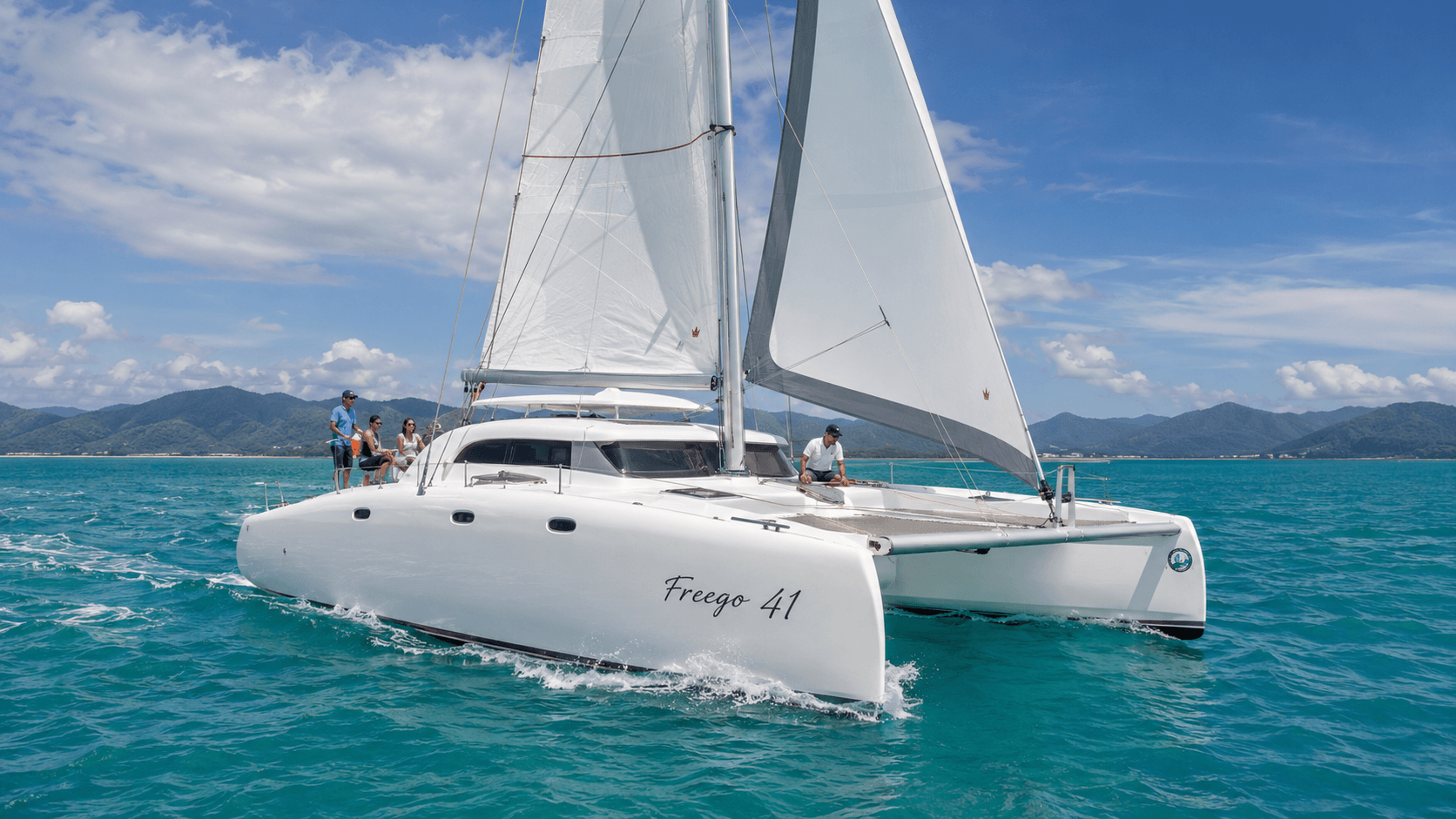
FREEGO 41 Catamaran Sailing Yacht
FREEGO 41 Catamaran Sailing Yacht

Explore the Ocean · Navigate the Future
EXPLORE THE OCEAN · NAVIGATE THE FUTURE
Choose by scenario and review key specs and configuration guidance.
FREEGO 41 Catamaran Sailing Yacht
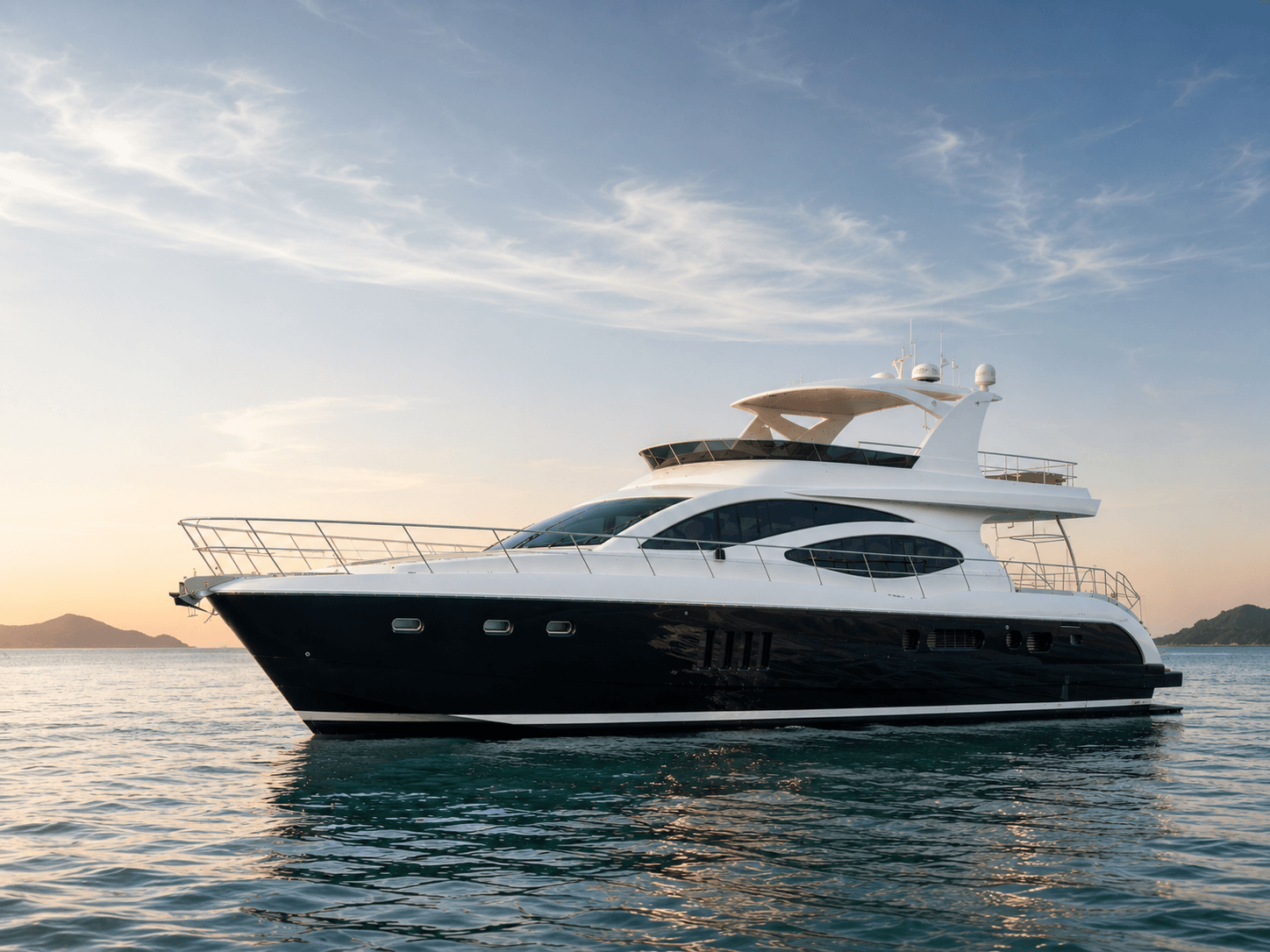
66 Ft Luxury Yacht
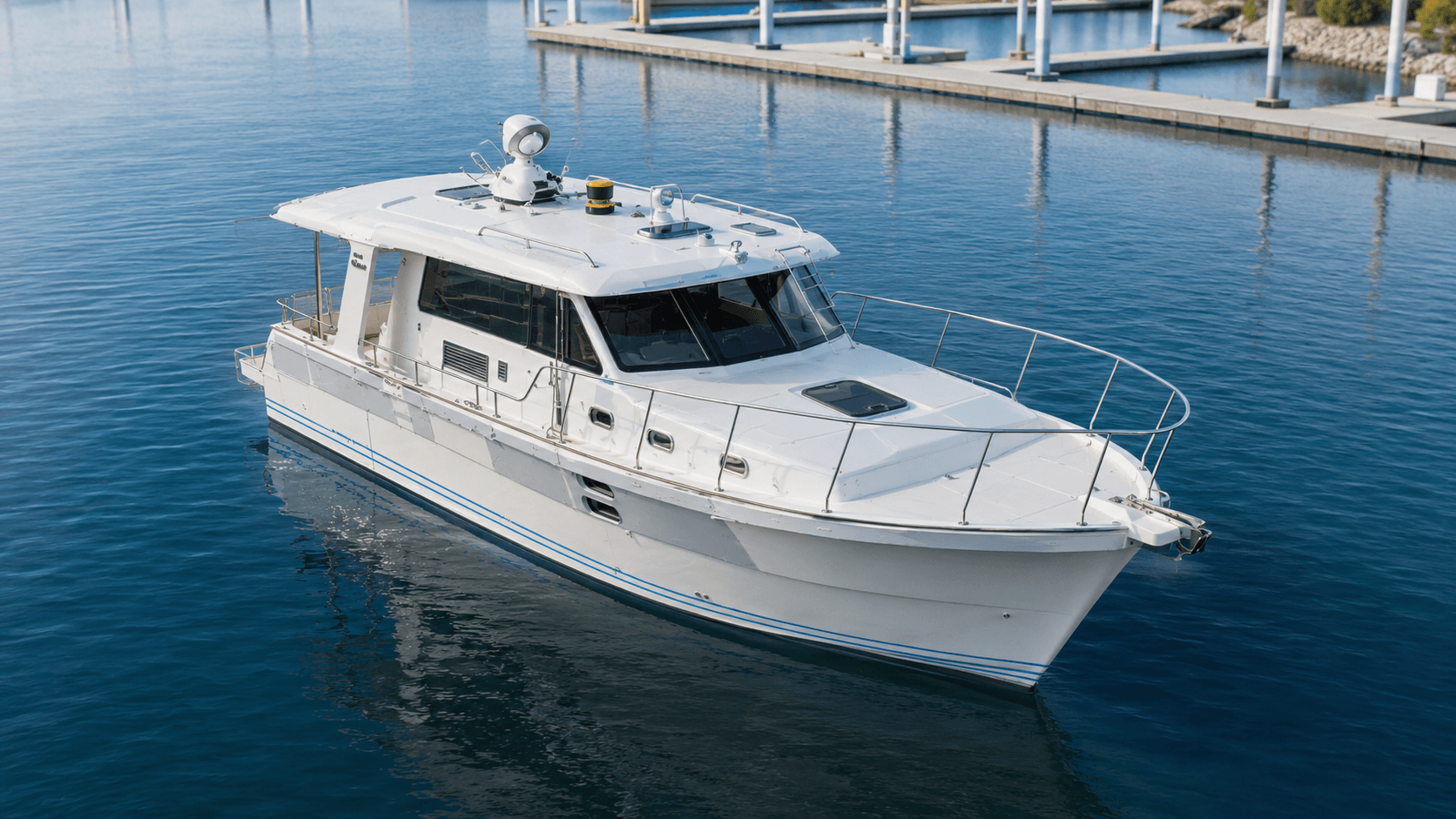
ALASKA 47 Luxury Yacht
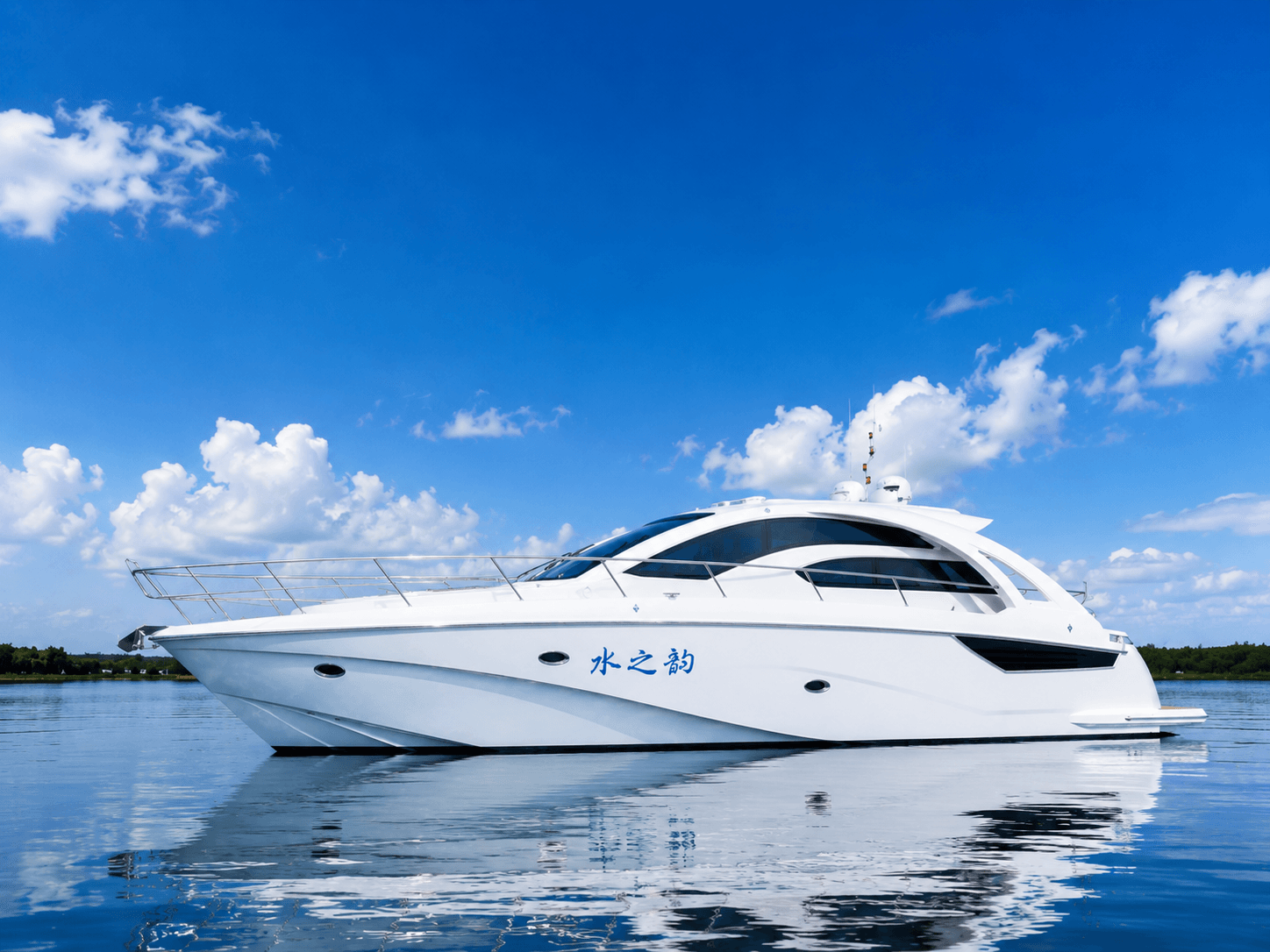
53 Ft Trimaran-Channel Luxury Yacht
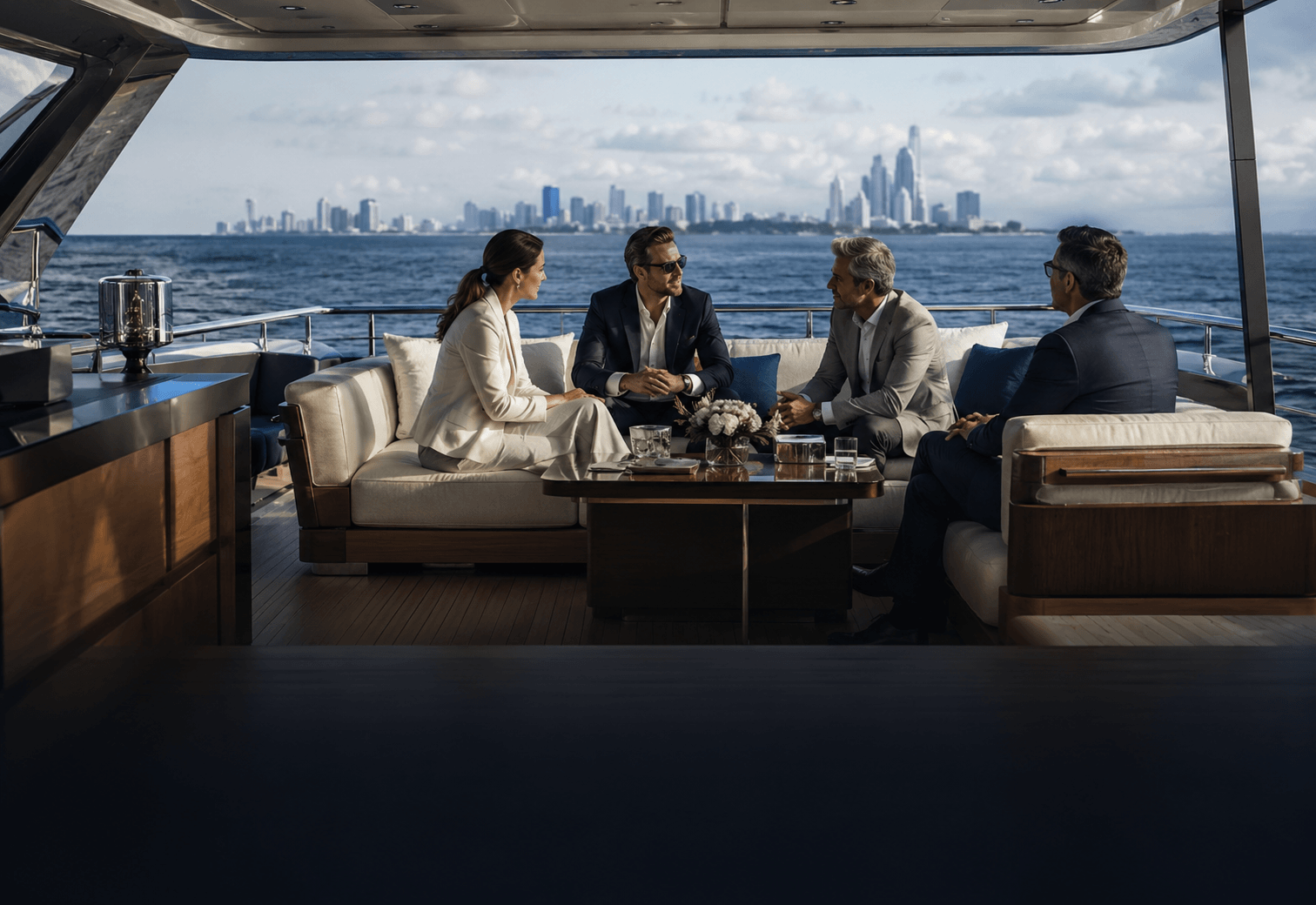
For corporate reception, meetings and on-water brand events.
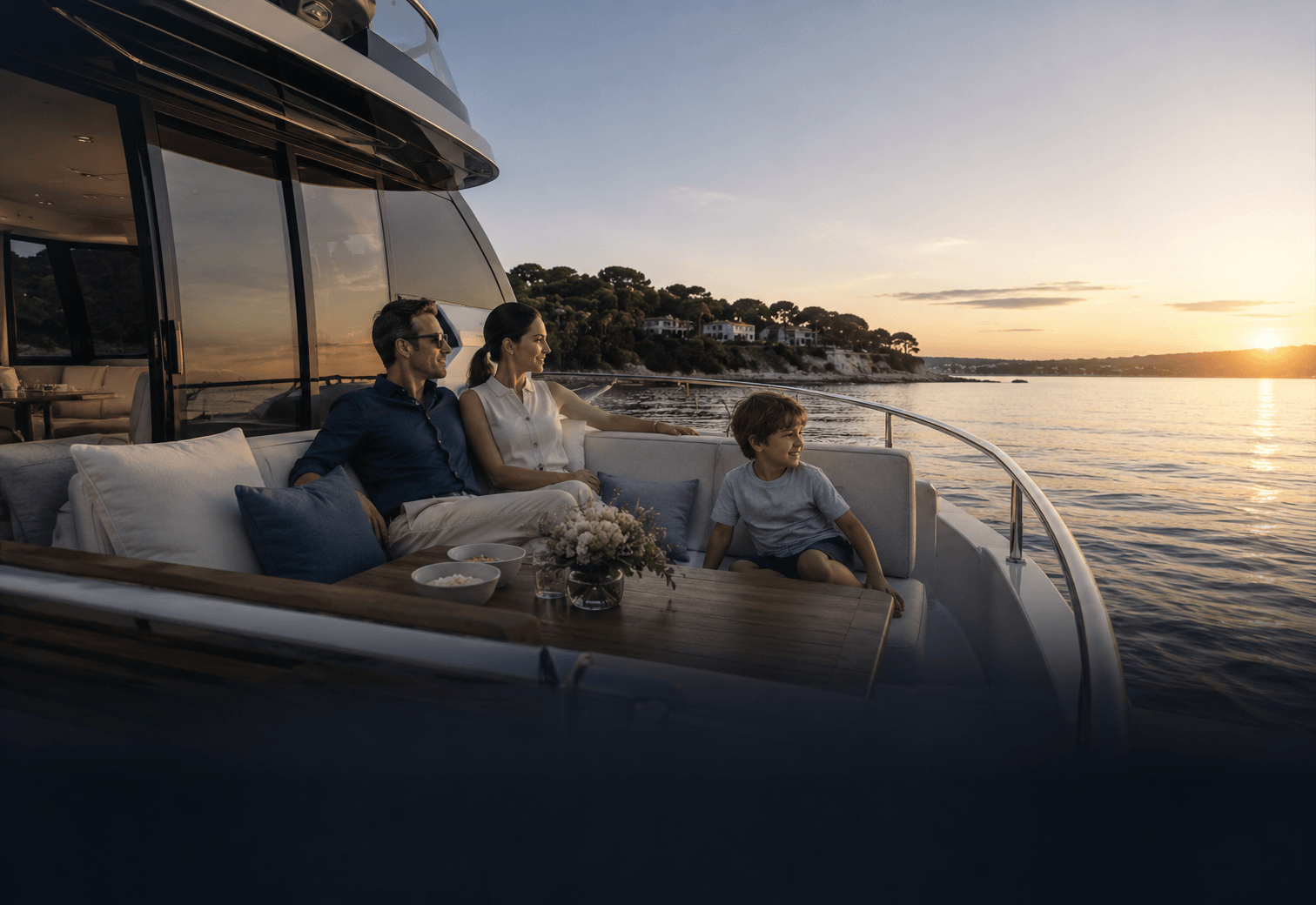
For family trips, near-shore leisure and weekend cruising.

For gatherings, launches and deck-based social events.
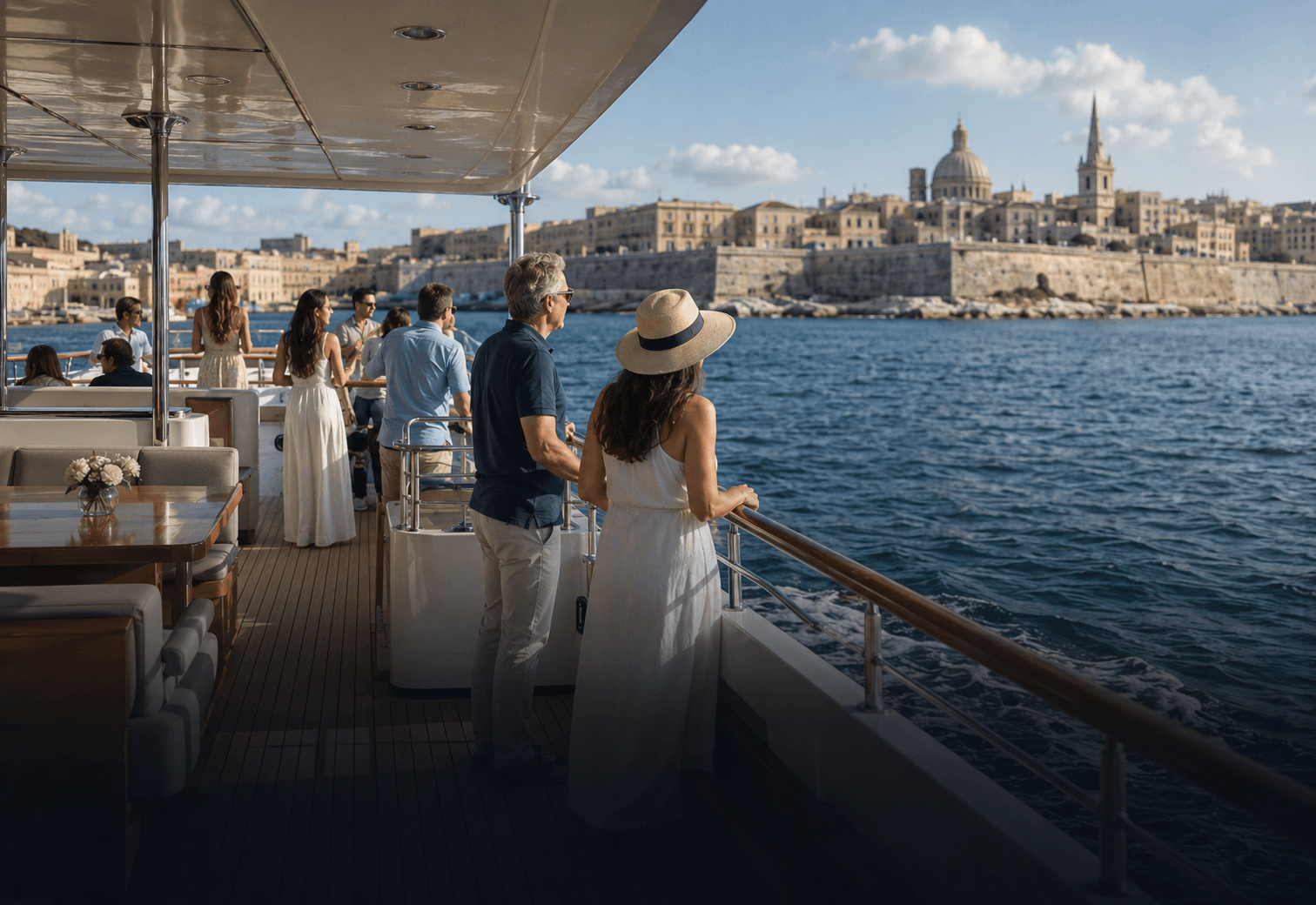
For sightseeing routes, reception and passenger operations.
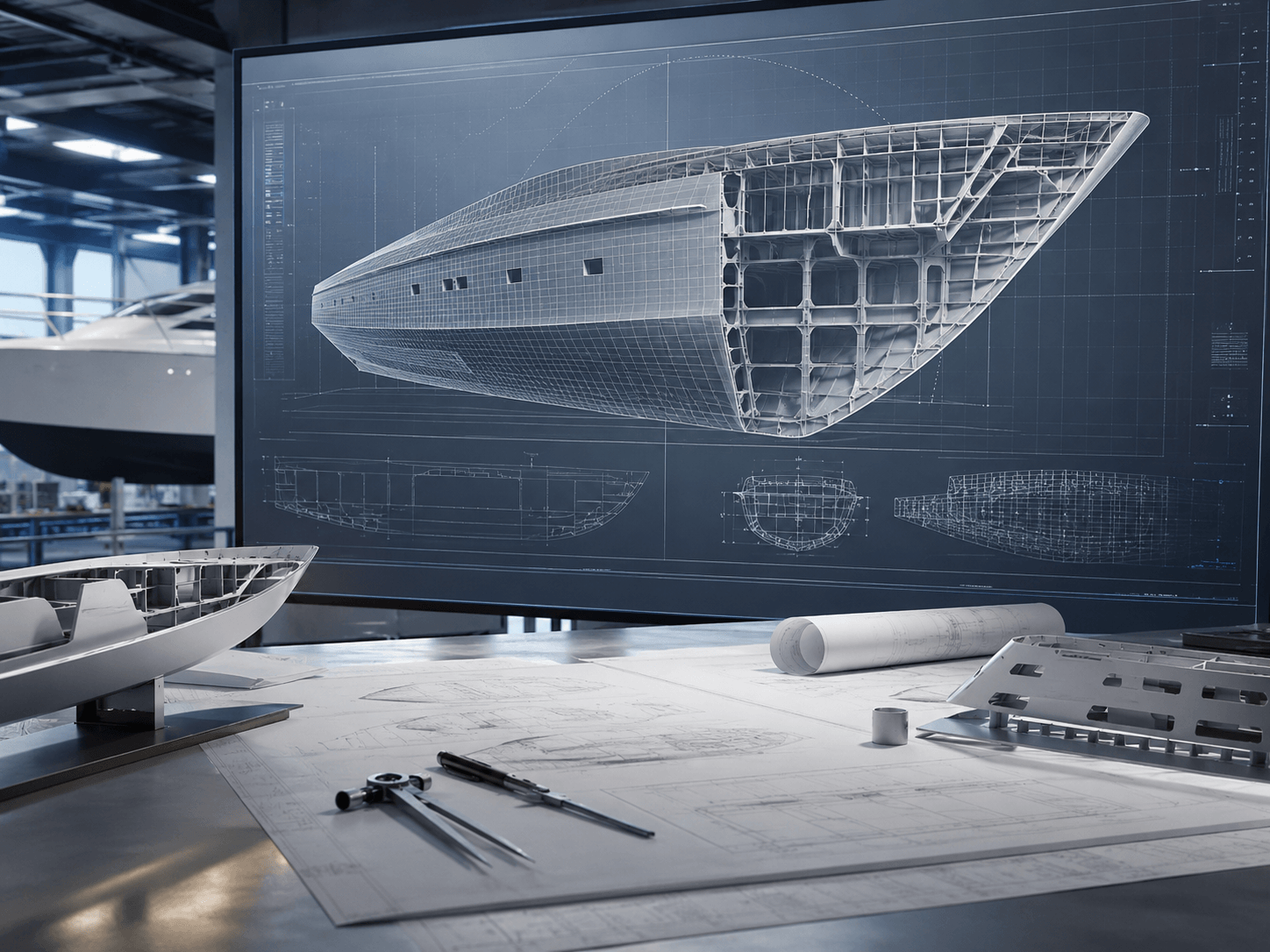
Coordinated hull lines, stability and structural layout for performance and cabin space.
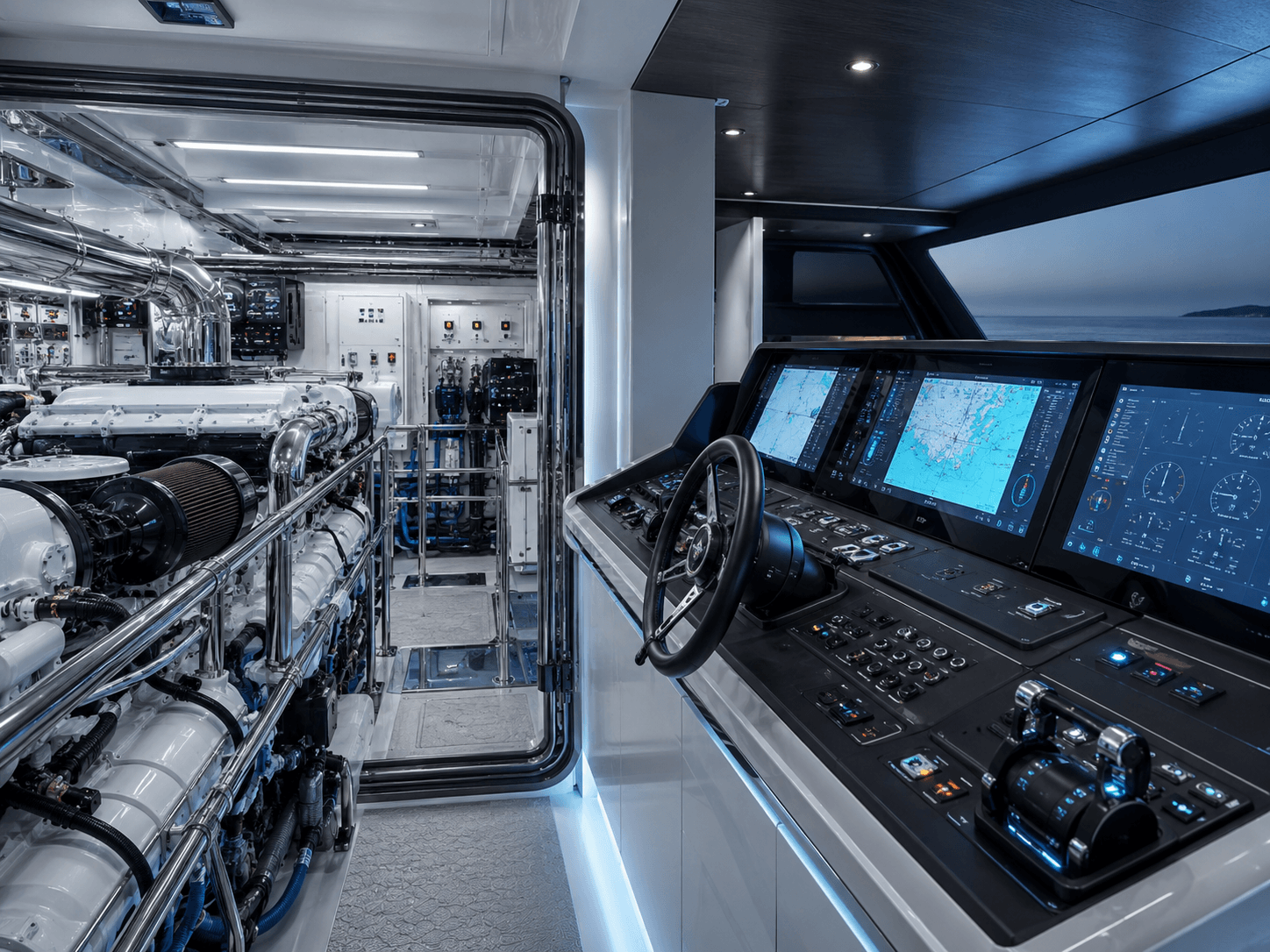
Powertrain matching, helm layout and assistive systems for different routes and needs.
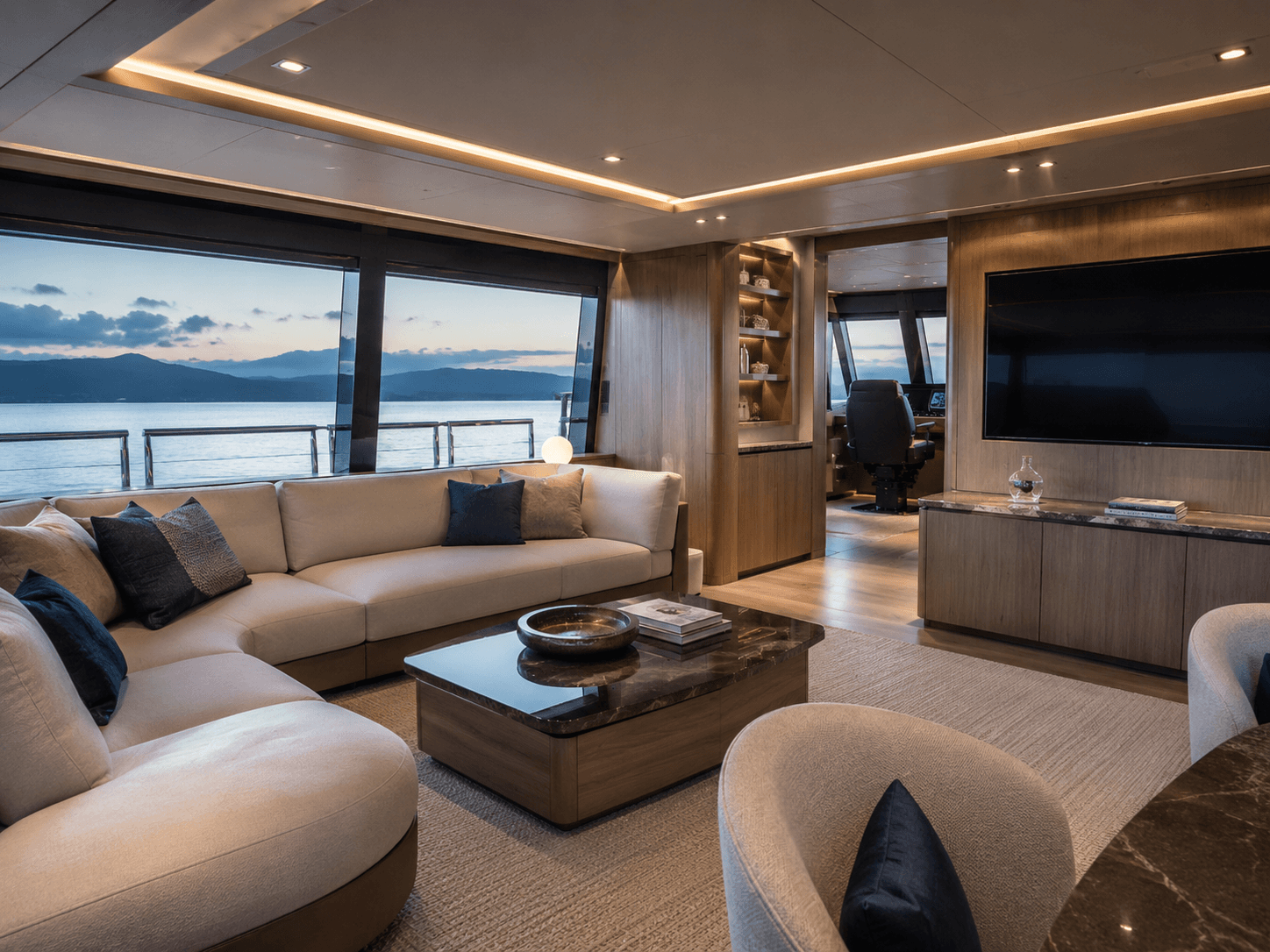
Functional zoning, material selection and equipment integration for reception and living.
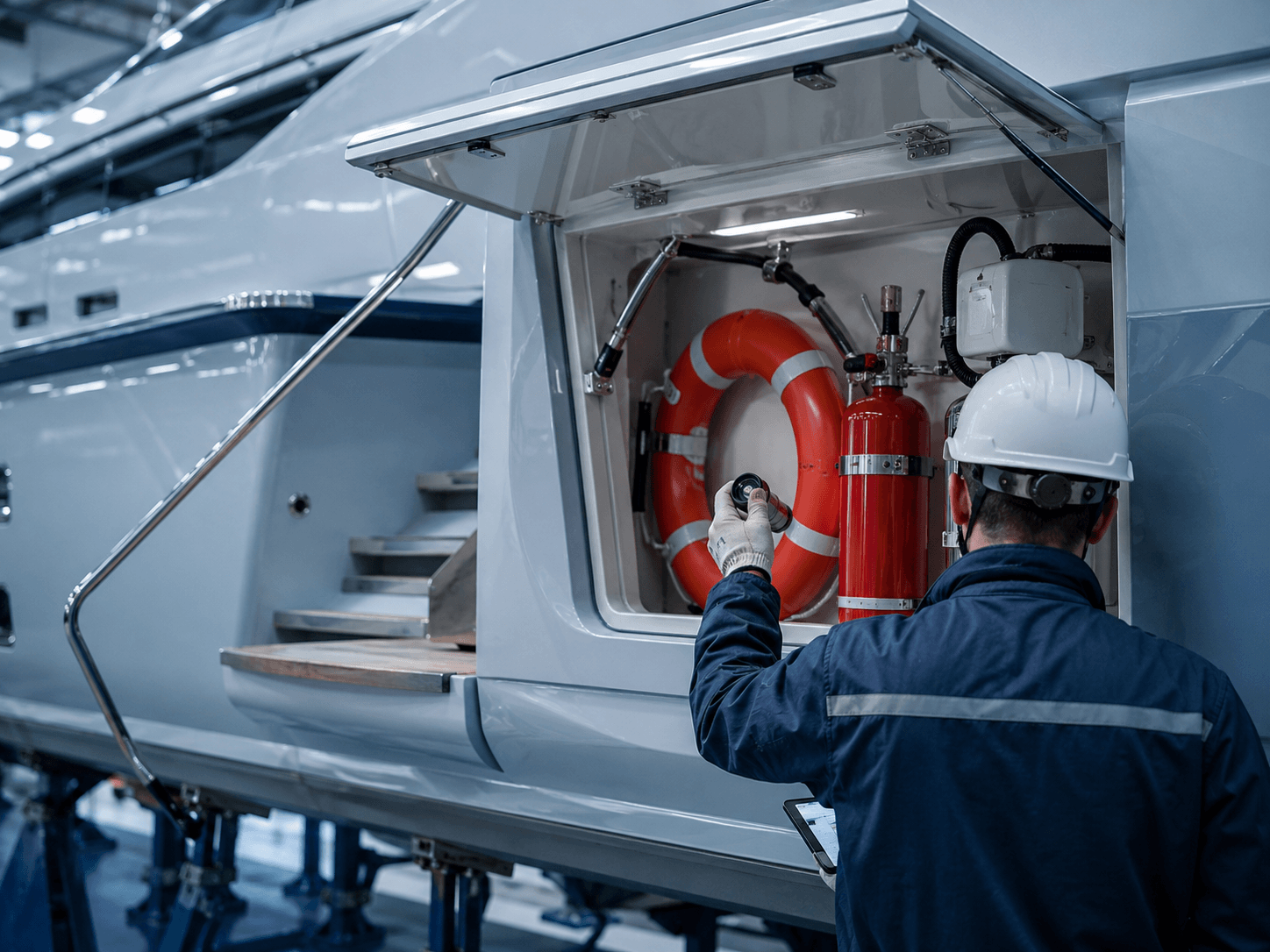
Strength, fire protection and lifesaving requirements across design, production and delivery.
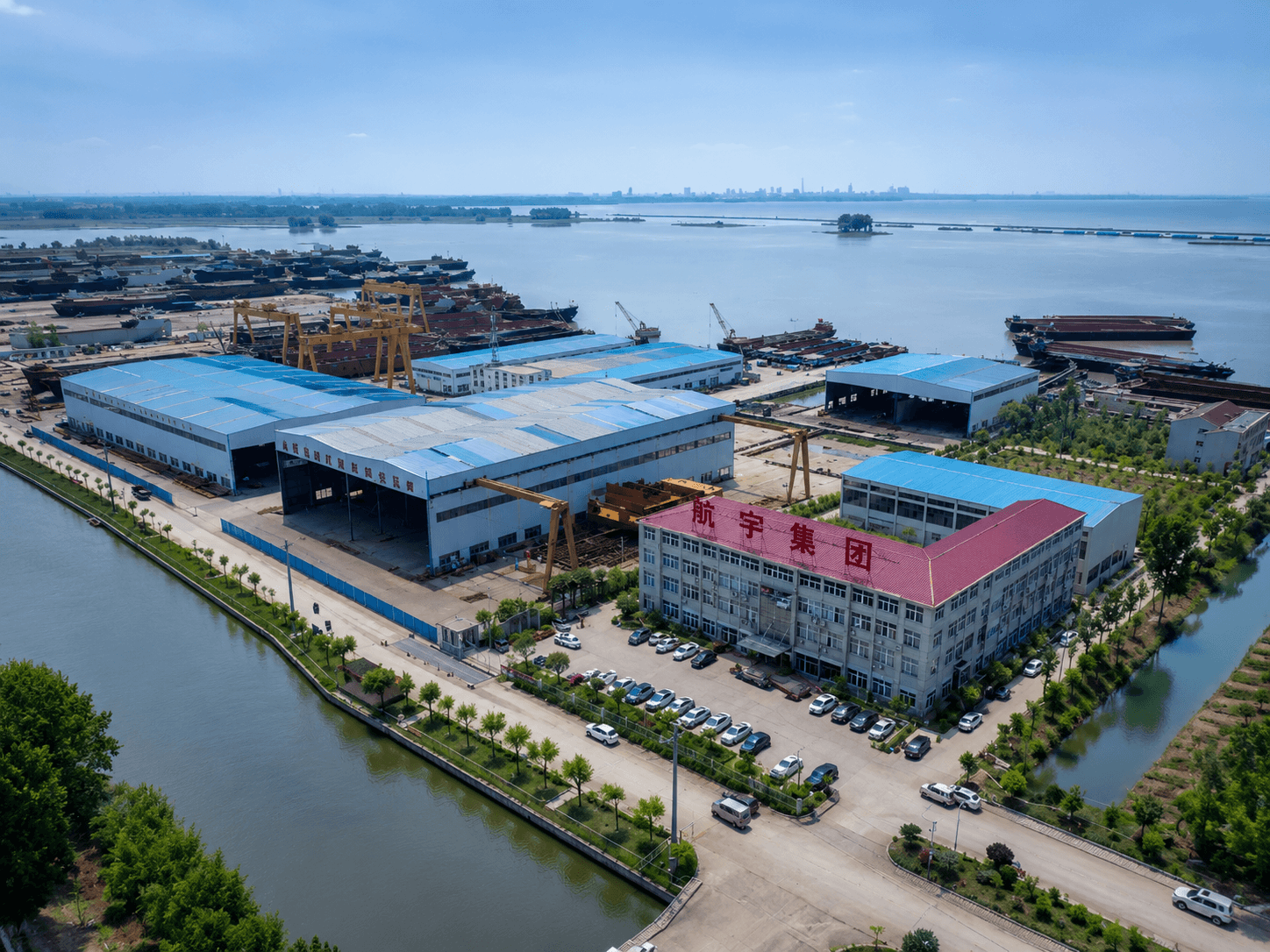
Covering design, production, outfitting, commissioning and delivery training to support real projects.
Facilities and build capacity enabling multi-series production.
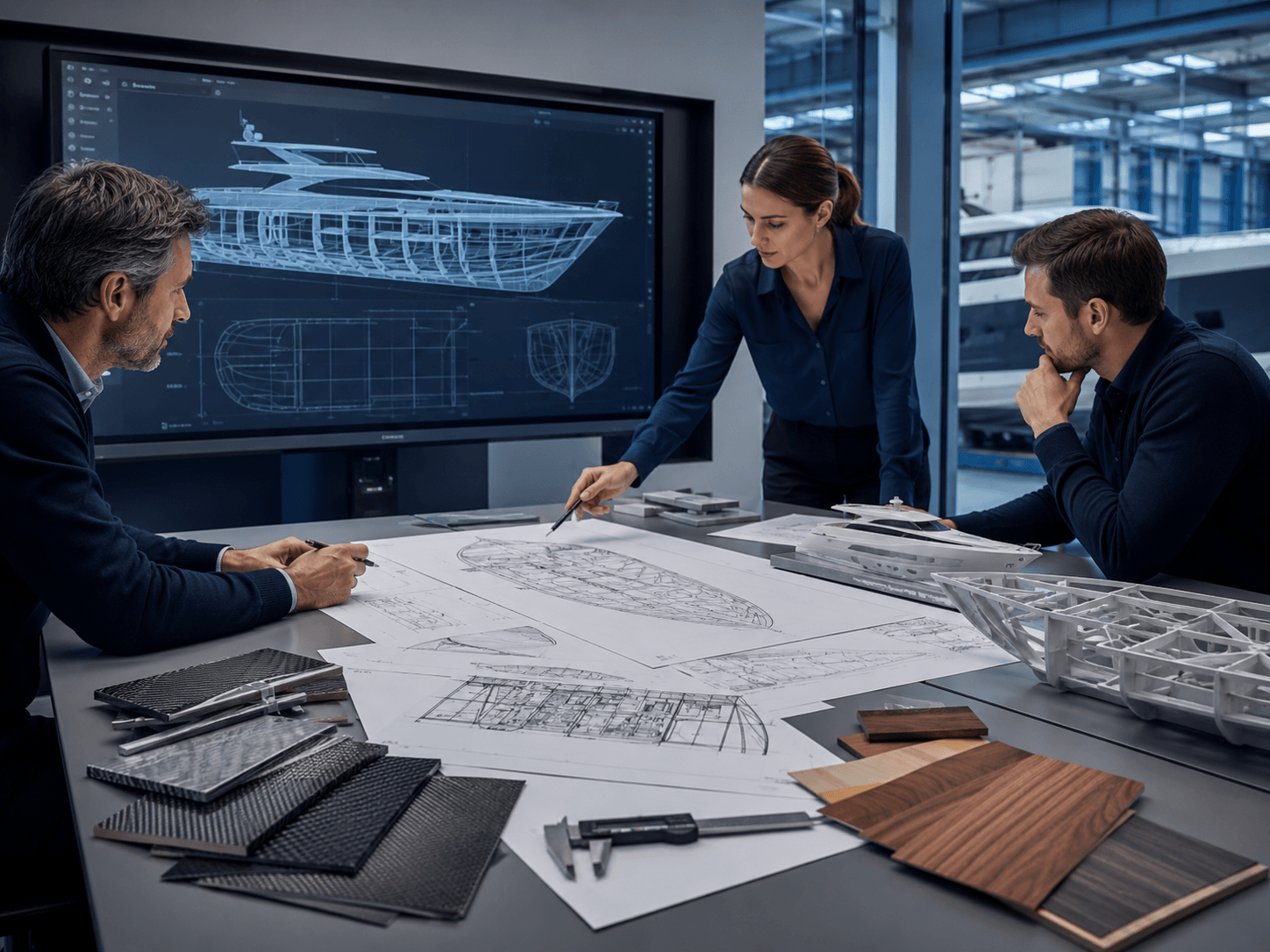
Hull design, structural analysis and interior solutions for custom and series builds.

Hull build, outfitting and system commissioning to keep quality and schedule under control.
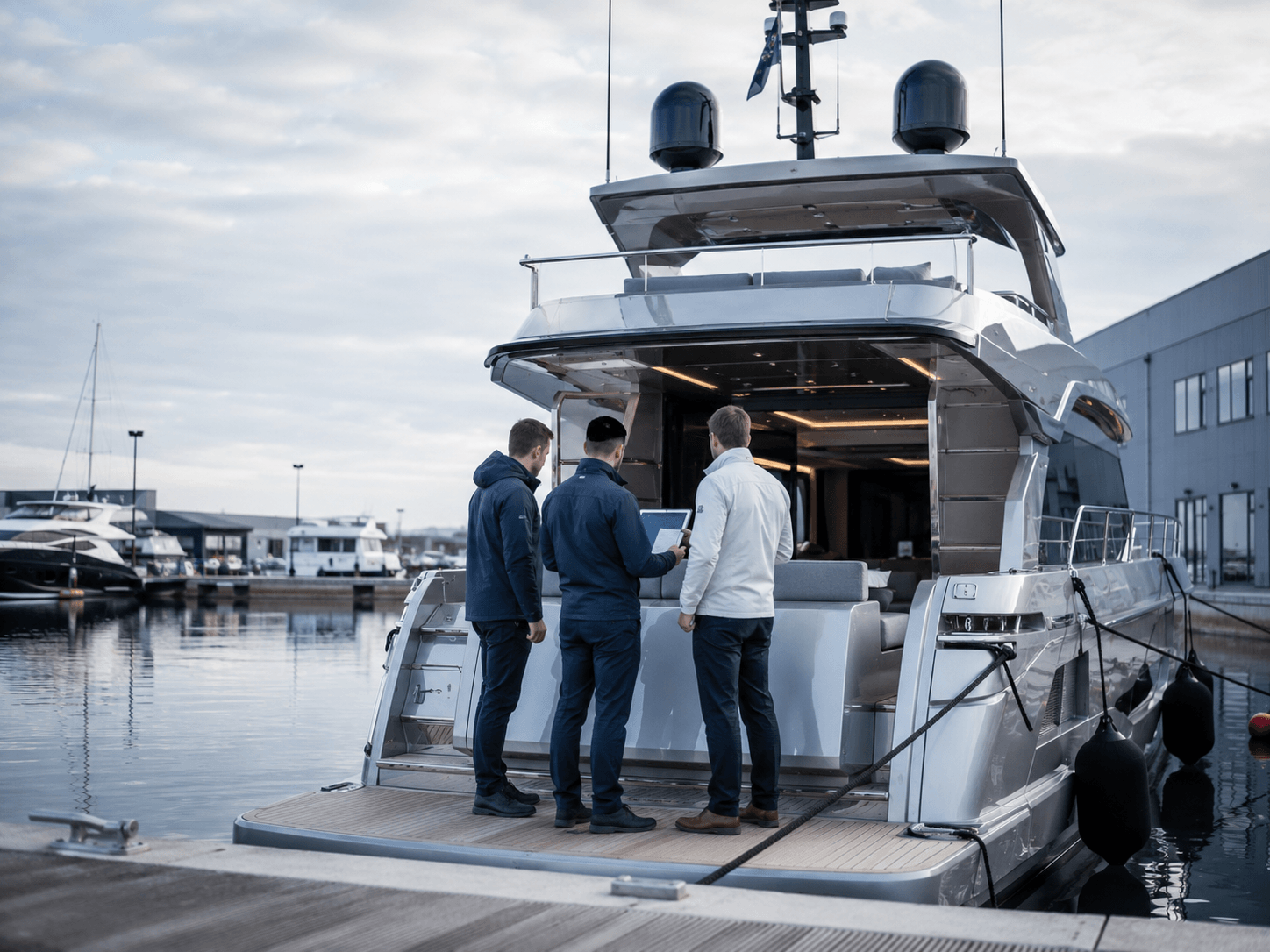
Sea trials, handover training and after-delivery support coordination.
COOPERATIVE PARTNERS
Working with industry leaders to build an ecosystem for yacht design, manufacturing, materials, propulsion and service.
Weichai

PetroChina

Ashland
China Shipbuilding Industry Corporation
ZPMC
Jushi Group

CCS INDUSTRIAL CORP.
Fuyao Group
MAN
Company credentials, IP and quality-system related certifications and honors are available upon request.

Company credential for technology and innovation
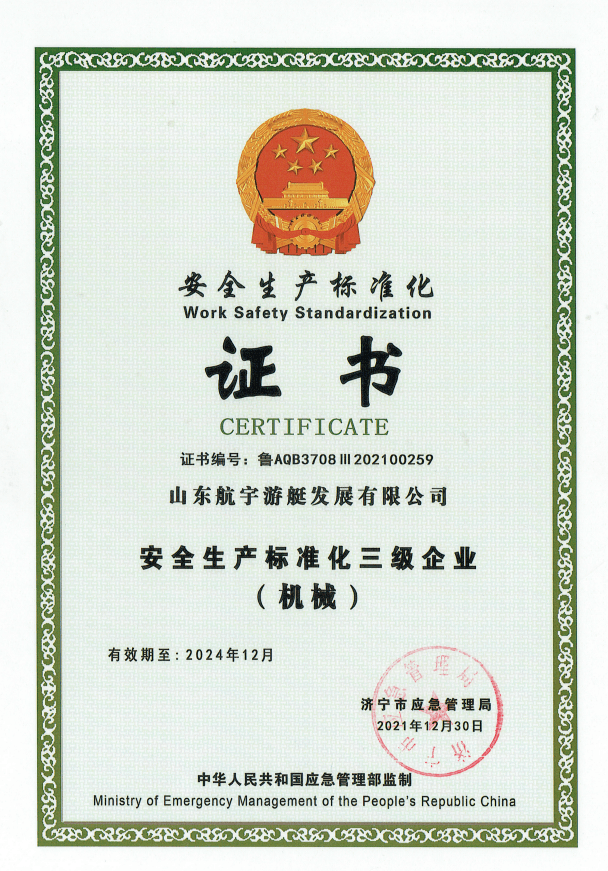
Patents covering vessel design and manufacturing processes
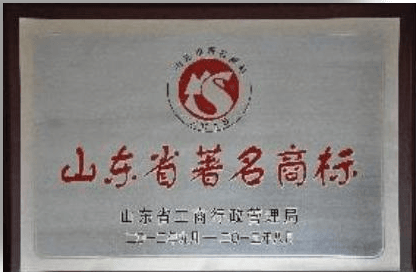
Quality systems and industry-related certifications
A practical four-stage process keeps operating needs, onboard experience, technical scope and delivery expectations aligned.
Tell us the intended waters, guests or payload, voyage profile, berth, budget and target date.
Compare vessel use, size, material, arrangement, propulsion and maintenance needs.
Agree the general arrangement, equipment, finish, approval route, schedule and acceptance method.
Move through construction, inspection, trials, acceptance, training and handover.
BUYER'S GUIDE
Practical questions to clarify before selecting a builder, starting a custom project or planning long-term operation. Final requirements depend on the vessel, operating waters and local authorities.
Check five areas: whether the legal entity and certificates are current and verifiable; whether the production site and equipment can be inspected; whether the builder has relevant projects in a similar material, size and use; whether it can manage engineering, production, quality inspection, trials and delivery; and whether the contract clearly defines configuration, acceptance, change control, warranty and service. A complete, evidence-backed delivery plan matters more than a low quotation or attractive rendering alone.
Start with guest capacity, trip duration, operating waters and berthing conditions. Then review meeting and reception space, toilets and pantry, boarding circulation, open deck areas, HVAC, noise and vibration control, electrical power and connectivity, navigation and communications, lifesaving equipment and easy-clean materials. Propulsion should balance comfort, stability, fuel use, service cost and realistic operating speed rather than simply maximising power.
Requirements vary with the water body, route, passenger capacity and commercial model, so the applicable process should first be confirmed with the local transport, waterway-transport or maritime authority. A project will typically need design review and vessel inspection under the applicable rules, relevant safety and passenger certificates, and vessel ownership and nationality registration. Commercial passenger transport may also require a waterway transport business licence and a vessel operation certificate, together with qualified crew, safety management, emergency response, lifesaving and pollution-prevention arrangements. Local authority confirmation remains decisive.
Aluminium offers low weight, impact resistance and practical structural repair, which often suits high-use commercial craft, workboats, tour transfers and weight-sensitive projects. Welding quality, galvanic-corrosion protection, insulation and noise control are important. Fibreglass supports smooth finishes and flexible styling with good resistance to the marine environment, making it well suited to leisure yachts, business reception and series production of a proven design. Lamination, resin control, structural design, mould quality and repair access must be assessed. The right choice depends on use, waters, size, quantity, budget and maintenance capability.
A typical project moves from requirements-use, waters, capacity, size, layout, propulsion, budget and target delivery-to feasibility review, concept and general arrangement, quotation and contract, detailed engineering, applicable approval or inspection, procurement, hull construction, outfitting, commissioning, launch, trials, acceptance, handover and training. Each approval point should be recorded, and later changes should include their cost, schedule and technical impact.
Key factors include design maturity, customisation, hull material and complexity, lead times for engines and imported equipment, drawing approval and inspection progress, customer changes, payment and procurement milestones, yard workload, and the water level, weather and site conditions needed for launch and trials. A reliable schedule should be assessed after the technical scope and major equipment are defined, with milestones written into the contract.
Handover should include equipment lists, operation and maintenance manuals, recommended spares, completion records and user training. The contract should define warranty scope and term, response method, site-service conditions, and responsibility for travel and parts. Routine care should follow the service intervals for engines, generators, electrical and HVAC systems, lifesaving equipment, coatings and hull material, with maintenance records retained. Remote diagnosis, scheduled inspections, annual service and spare replenishment can then be arranged around operating intensity.
Projects can be supported with relevant RINA, EU CE, China Classification Society (CCS) and local ZC certification or inspection routes. The vessel, use, navigation area, contract and issuing authority determine the final route, certificate and scope.
EU CE recreational-craft design categories A, B, C and D correspond to ocean, offshore, inshore and sheltered waters, and RINA can perform relevant CE conformity assessment. CCS yacht design categories are determined under the applicable rules, including distance from shelter and design significant wave height. The applicable standard, plan approval and issuing authority determine each project category and operating limits.
For model selection, customization planning or delivery process, please contact us.