
Innovation
Continuous R&D in hull design, materials, digital modeling and control systems to improve product experience and iteration efficiency.
About Hangyu
Hangyu Yacht, a Chinese premium yacht design and manufacturing brand
Shandong Hangyu Yacht Development Co., Ltd. was established on March 21, 2014 in Weishan Ship Industrial Park, Jining, Shandong, focusing on the design, manufacture, refit, sale and delivery of yachts and related vessels.
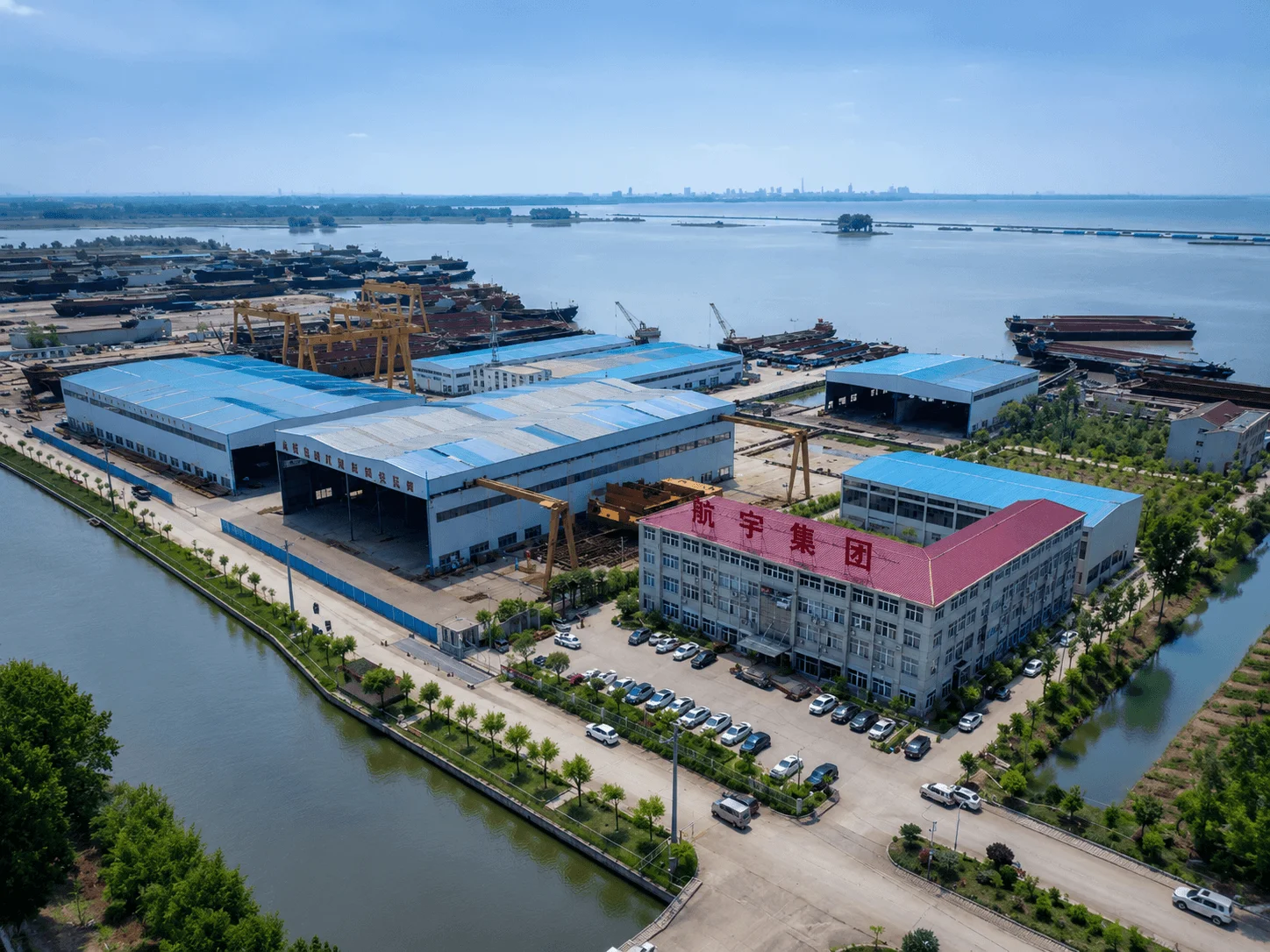
The base includes production workshops, shoreline and an outfitting wharf to support vessel construction and delivery.
Unified external reporting basis
Workshop and office space combined
Production-related buildings
Company-confirmed figure
Manufacturing-base shoreline
Reported water depth of 4-5 m
Shandong Hangyu Yacht Development Co., Ltd. was established on March 21, 2014. Its registered address is No. 2 Shunyuan Road, Ship Industrial Park, Hanzhuang, Weishan County, Jining, Shandong, China.
The company engages in vessel manufacturing, design, repair, sales and refit, recreational and sports boat manufacturing, marine engineering equipment R&D, marine equipment manufacturing and goods import and export, with a focus on yachts and related vessels. The manufacturing base covers 132,303.09 m², with 18,925 m² of buildings, including 15,621 m² of workshops and 3,304 m² of offices. It has 830 m of shoreline and a 270 m outfitting wharf.
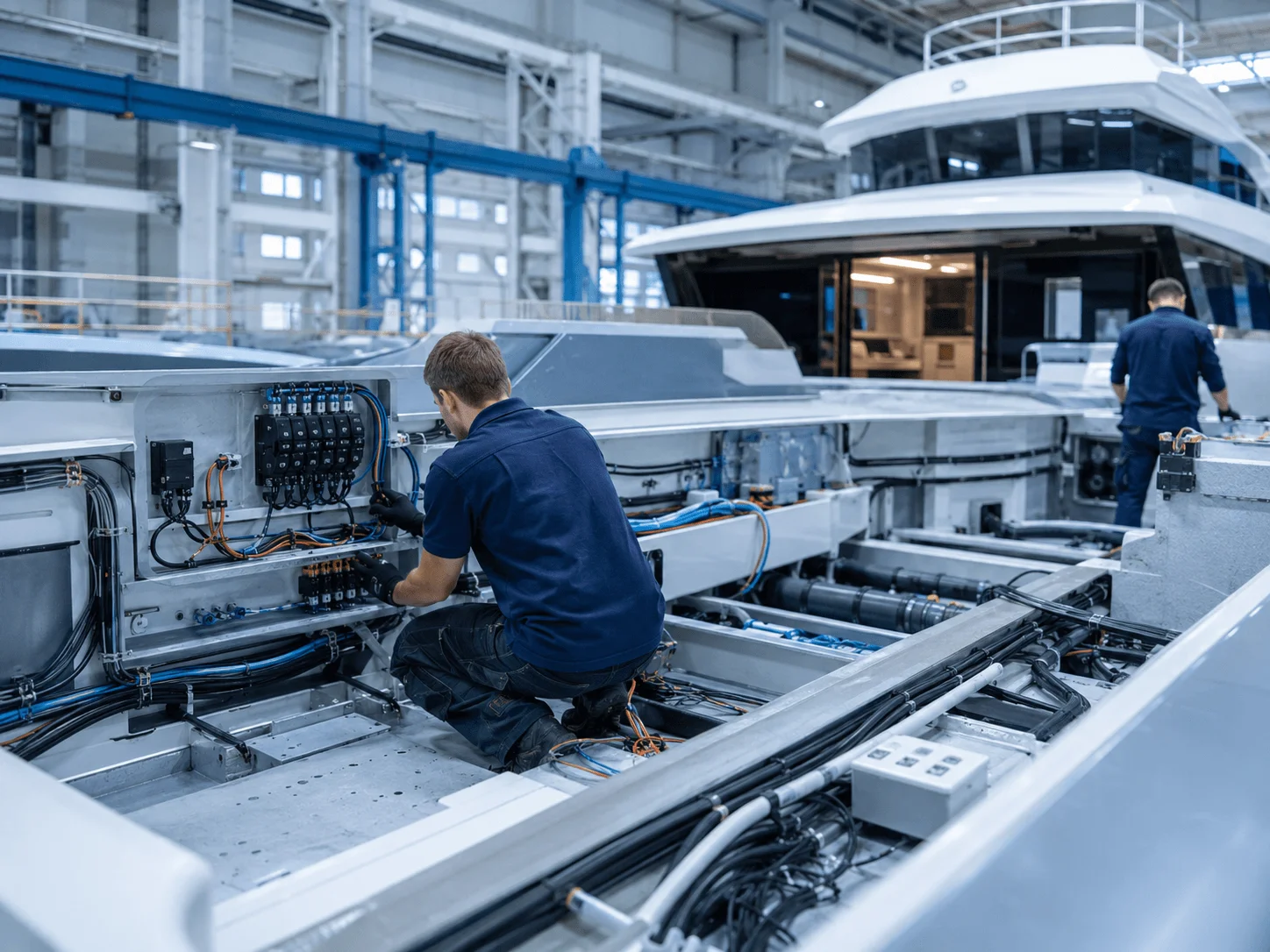
Technology-led product development, reliable manufacturing and long-term service support the continuous improvement of HangYu Yacht.
Continuous R&D in hull design, materials, digital modeling and control systems to improve product experience and iteration efficiency.
Standardized and modular production ensures build quality and supports parallel series and custom delivery.
Deep engagement in business, private cruising and tourism scenarios, building trust and reputation through long-term service.
1996
The wider Hangyu shipbuilding group began developing vessel manufacturing, R&D and related marine capabilities.
2018
Brand, management and market systems continued to improve.
Recent Years
The portfolio expanded across business yachts, leisure yachts and custom vessel projects.
Today
Digital modelling, integrated control and modular production methods continue to develop.
Future
HangYu continues to explore greener propulsion and intelligent vessel applications.
The company has 27 technical staff, including 17 mid- and senior-level technical personnel. The following activities are confirmed engineering work.
Detailed drawing work and production-oriented drawing breakdown.
Purchased-part lofting, nesting and material procurement statistics.
Preparation of process instructions for key construction activities.
Communication of drawing, process and construction requirements.
Engineering support during vessel construction.
Support for compiling project completion and handover records.
Existing credentials are grouped by certificate type. Projects can be supported with relevant RINA, EU CE, China Classification Society (CCS) and local ZC certification or inspection routes; the project and issuing authority determine the final certificate, status and scope.
11
Utility Model Patents
Counted from the supplied certificate scans
4
Software Copyrights
Vessel information systems
3
Shipyard Capability Reports
Steel, aluminium and fibre-reinforced plastic vessels
5
Systems & Enterprise Credentials
Grouped from the supplied documents
SHIPYARD & PROJECT EXPERIENCE
Established in 2014, Shandong Hangyu Yacht Development Co., Ltd. designs, builds and customises yachts and related vessels for private cruising, business reception, tourism, passenger service and professional marine projects. The team supports customers from early vessel selection and arrangement through construction, trials and delivery.
Content reviewed · Company profile · Published vessels
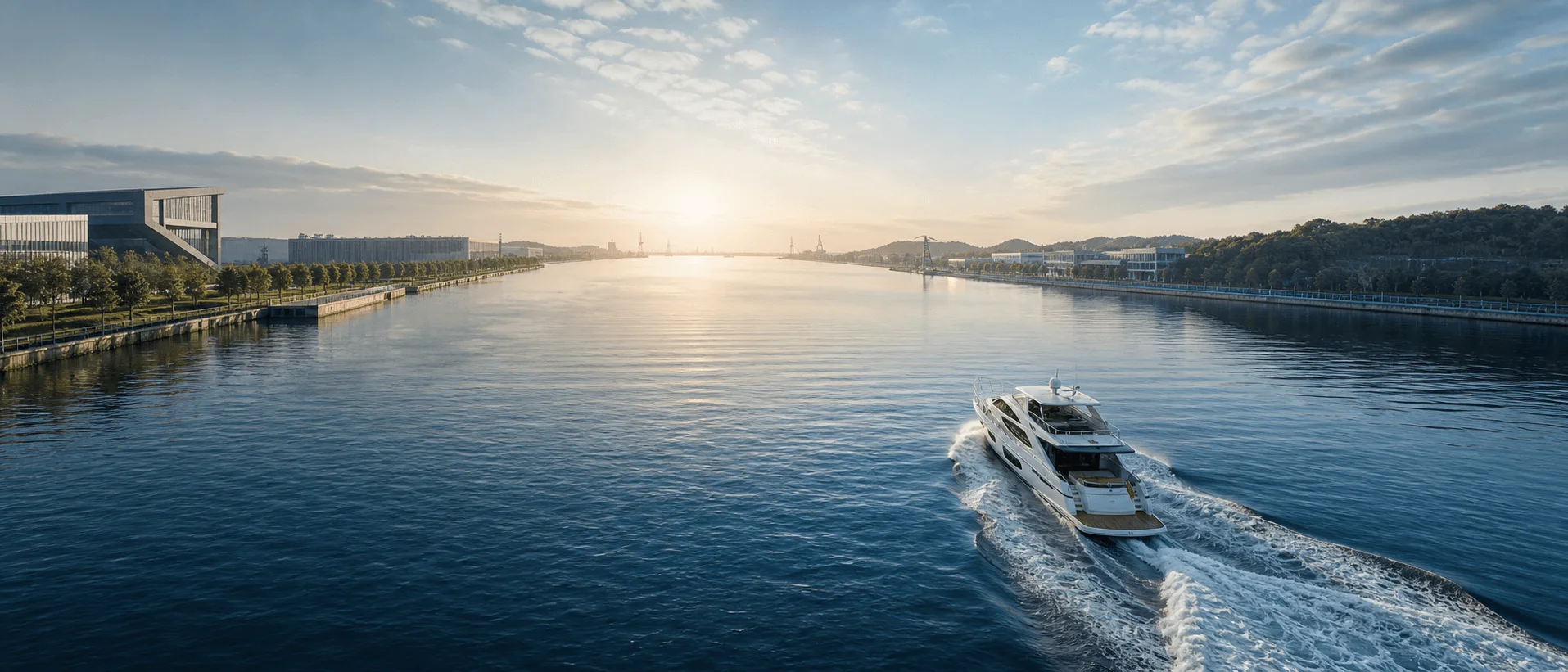
The manufacturing site brings together production space, waterfront access and an outfitting quay to support vessel construction, commissioning and delivery preparation.
Focused on yacht and vessel projects
Space for production and project coordination
Supporting waterfront operations
For outfitting, commissioning and delivery preparation
Learn about the builder, explore vessel directions and then develop the project around your real operating needs. Each stage adds the detail needed for a confident decision.
| Stage | What to focus on | Helpful next step |
|---|---|---|
| Learn about the shipyard | Review the company, location, facilities, engineering and build capabilities. | Arrange a conversation or yard visit when deeper due diligence is needed. |
| Explore vessel directions | Shortlist models by use, dimensions, arrangement, propulsion and onboard experience. | Bring your operating needs into the comparison instead of choosing on appearance alone. |
| Develop your project | Agree performance, equipment, approval, delivery and acceptance requirements. | Record the final scope in the agreed specification, drawings and contract. |
A practical four-stage process keeps operating needs, onboard experience, technical scope and delivery expectations aligned.
Tell us the intended waters, guests or payload, voyage profile, berth, budget and target date.
Compare vessel use, size, material, arrangement, propulsion and maintenance needs.
Agree the general arrangement, equipment, finish, approval route, schedule and acceptance method.
Move through construction, inspection, trials, acceptance, training and handover.
MANUFACTURING & QUALITY
Facility dimensions describe the site infrastructure and do not by themselves guarantee suitability for every vessel.
Company-confirmed facility data
Four of each size
Equipment records should be retained
Company-confirmed facility data
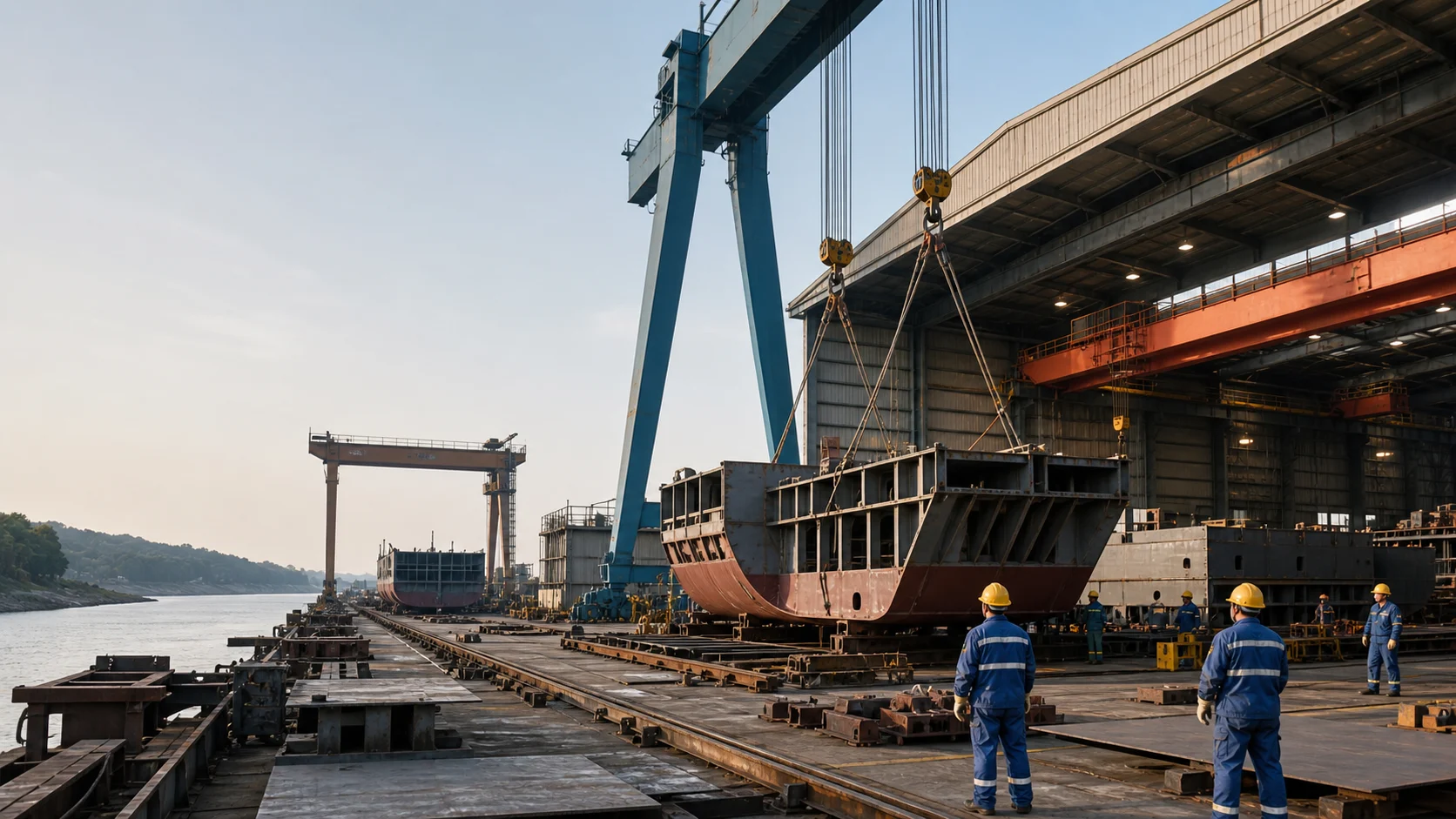
One 70 t/20 t ×30 m gantry crane
Build dimensions, weight and lifting arrangements are evaluated for each project.
Equipment supporting transport, cutting, forming, welding and machining activities.
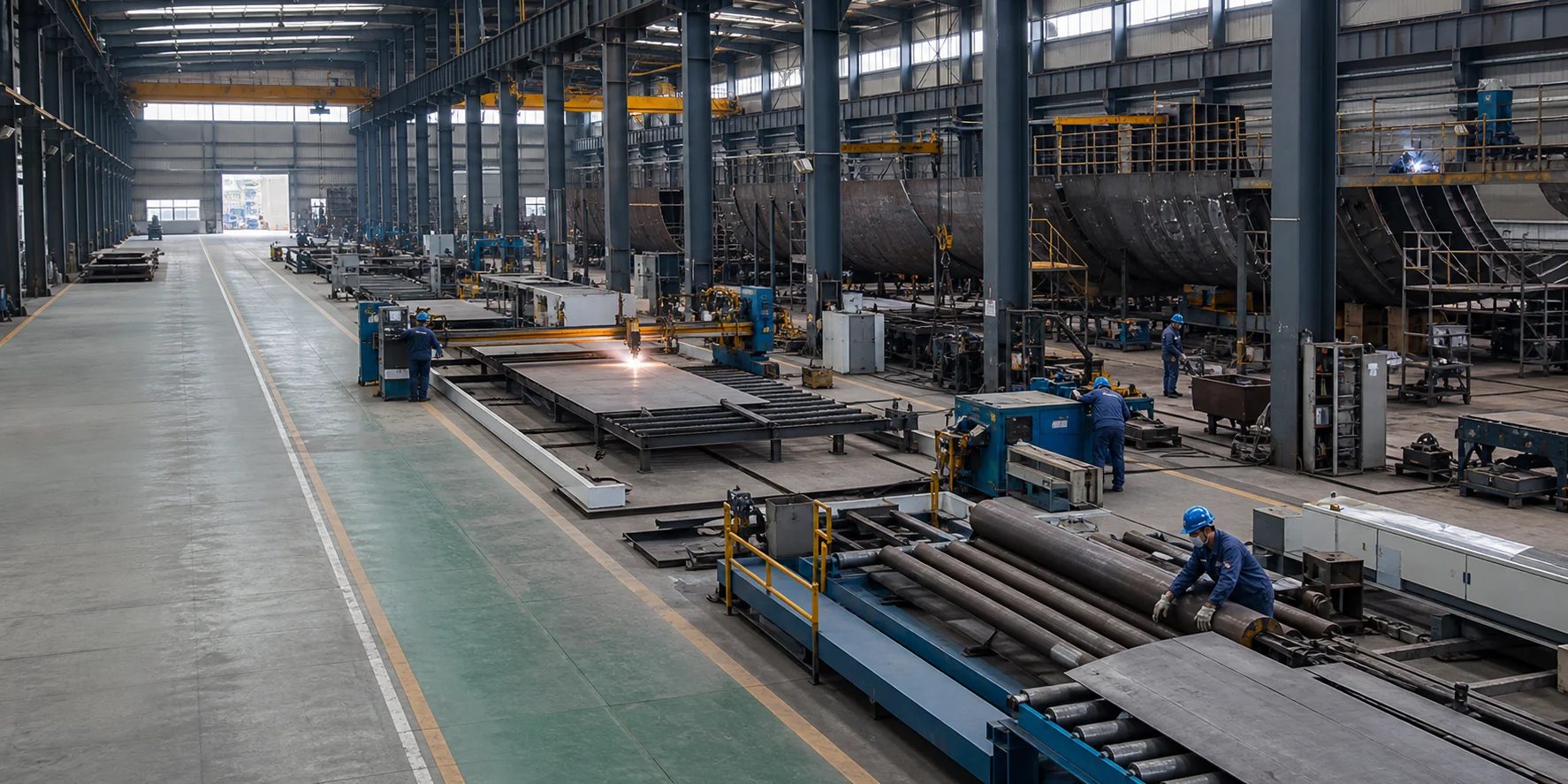
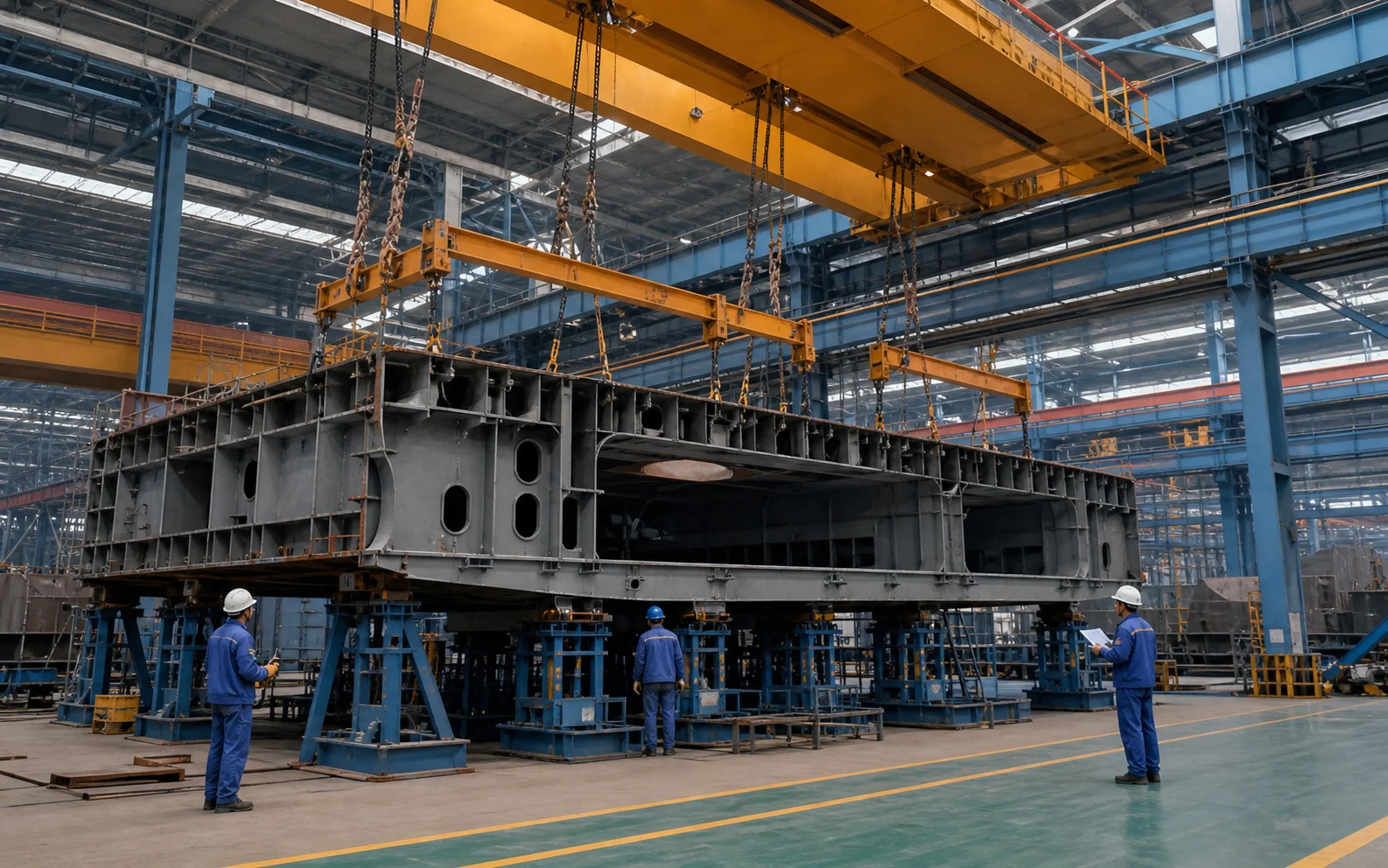
Gantry cranes, workshop cranes, flatbed transporters, mobile cranes and forklifts.

Steel pretreatment line, CNC flame and plasma cutting equipment, and aluminium plate engraving equipment.
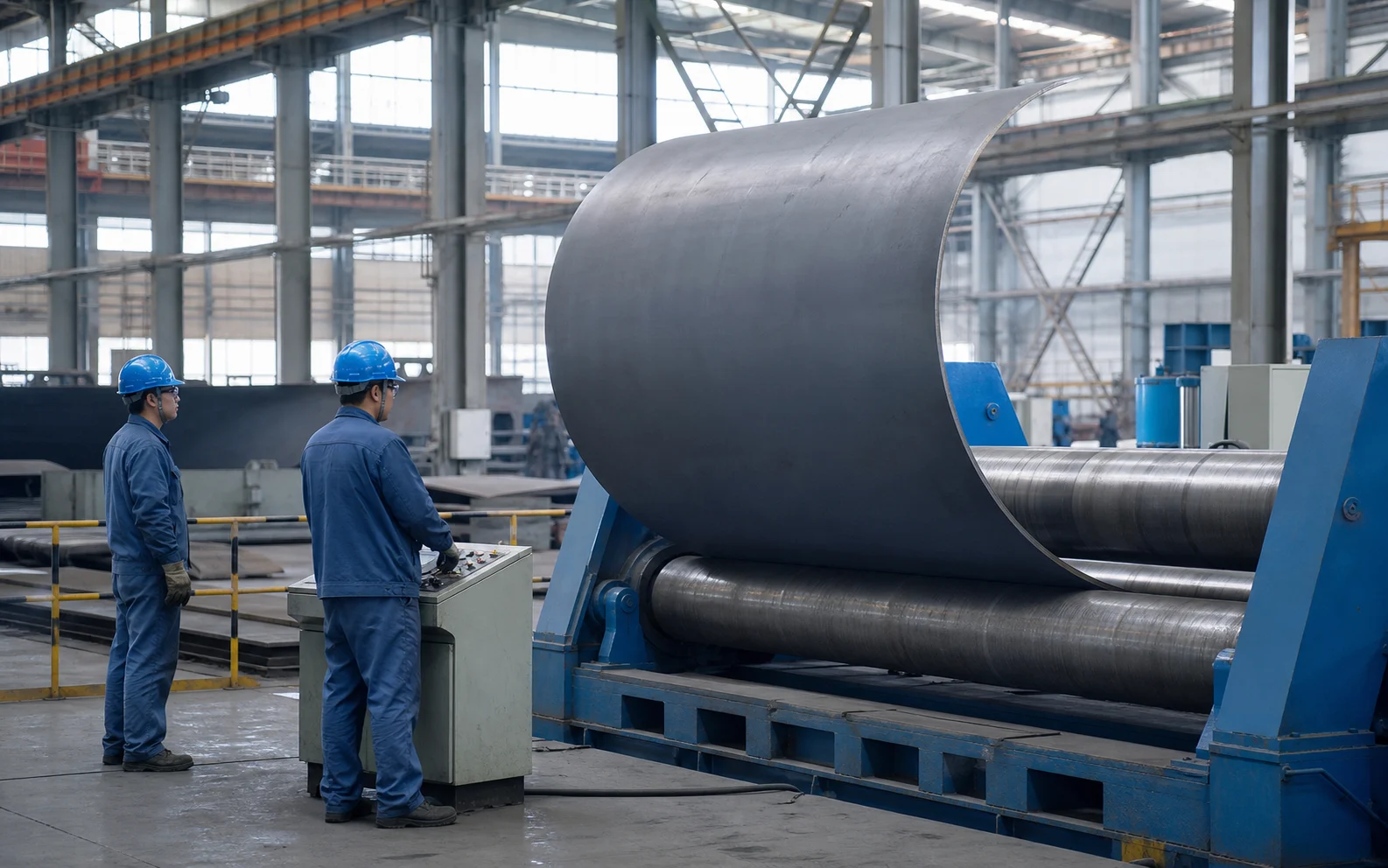
Plate rollers, hydraulic shears, press brakes, frame benders and rolling machines.
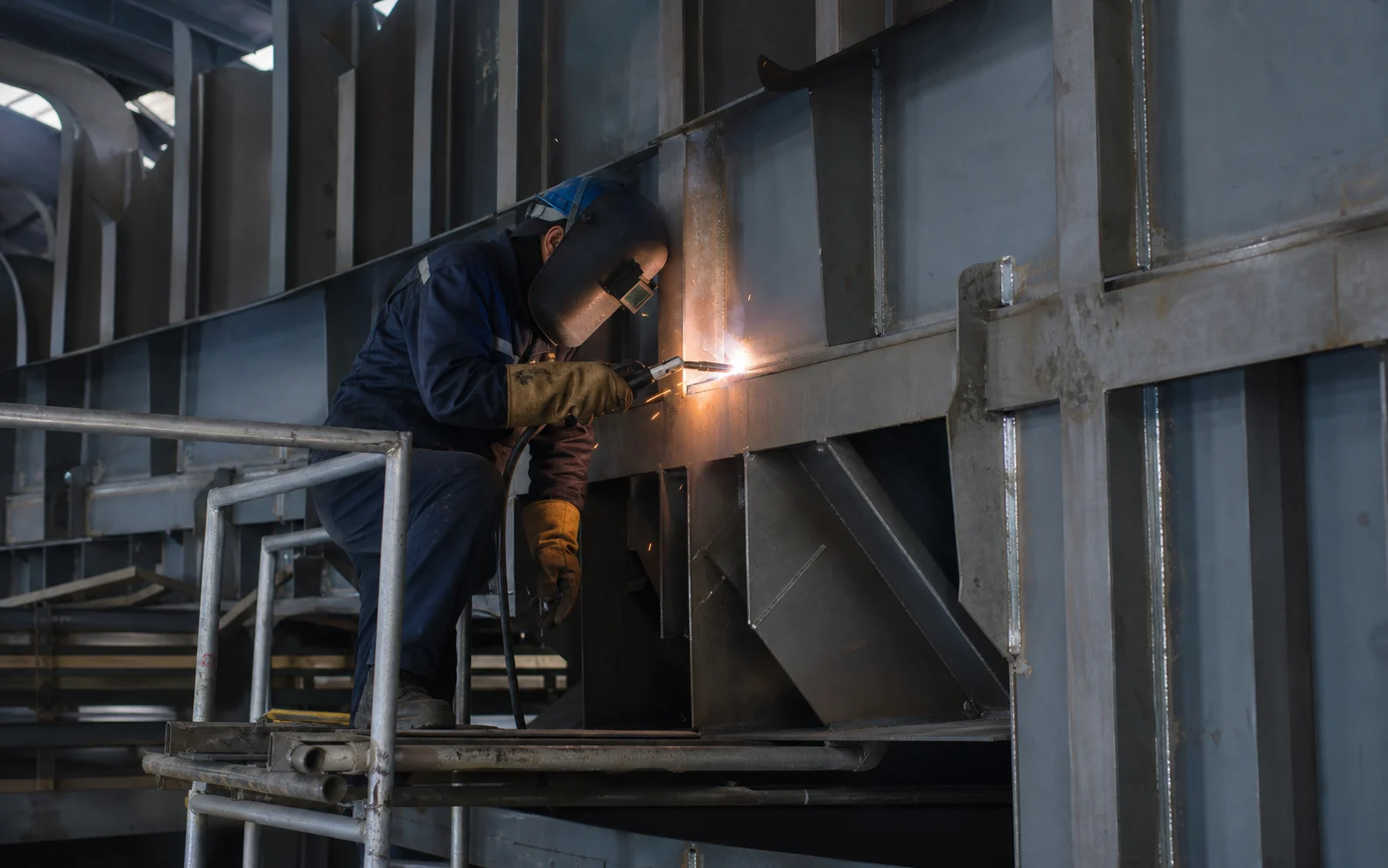
Welding equipment supporting hull-section and assembly work.

Lathes, milling machines, drilling machines and related equipment.
The workflow follows custom design, factory production and shipyard delivery, with the detailed sequence adjusted to vessel type, material, inspection rules and contract scope.
Incoming material inspection, storage and use control.
Drawing-based lofting, CNC cutting and material preparation.
Component assembly with dimensional checks.
Intermediate assembly and hull-section planning.
Section assembly, welding and in-process checks.
Section alignment, erection and dimensional control.
Piping installation and applicable tightness or pressure tests.
Installation of superstructure and related work.
Surface preparation and coating to the selected system.
Electrical equipment, cabling and interior work.
Equipment installation, commissioning and wharf-stage checks.
Launch, sea trial, documentation and delivery activities.
Quality activities cover materials, structure, welding, system installation, tests and completion records.
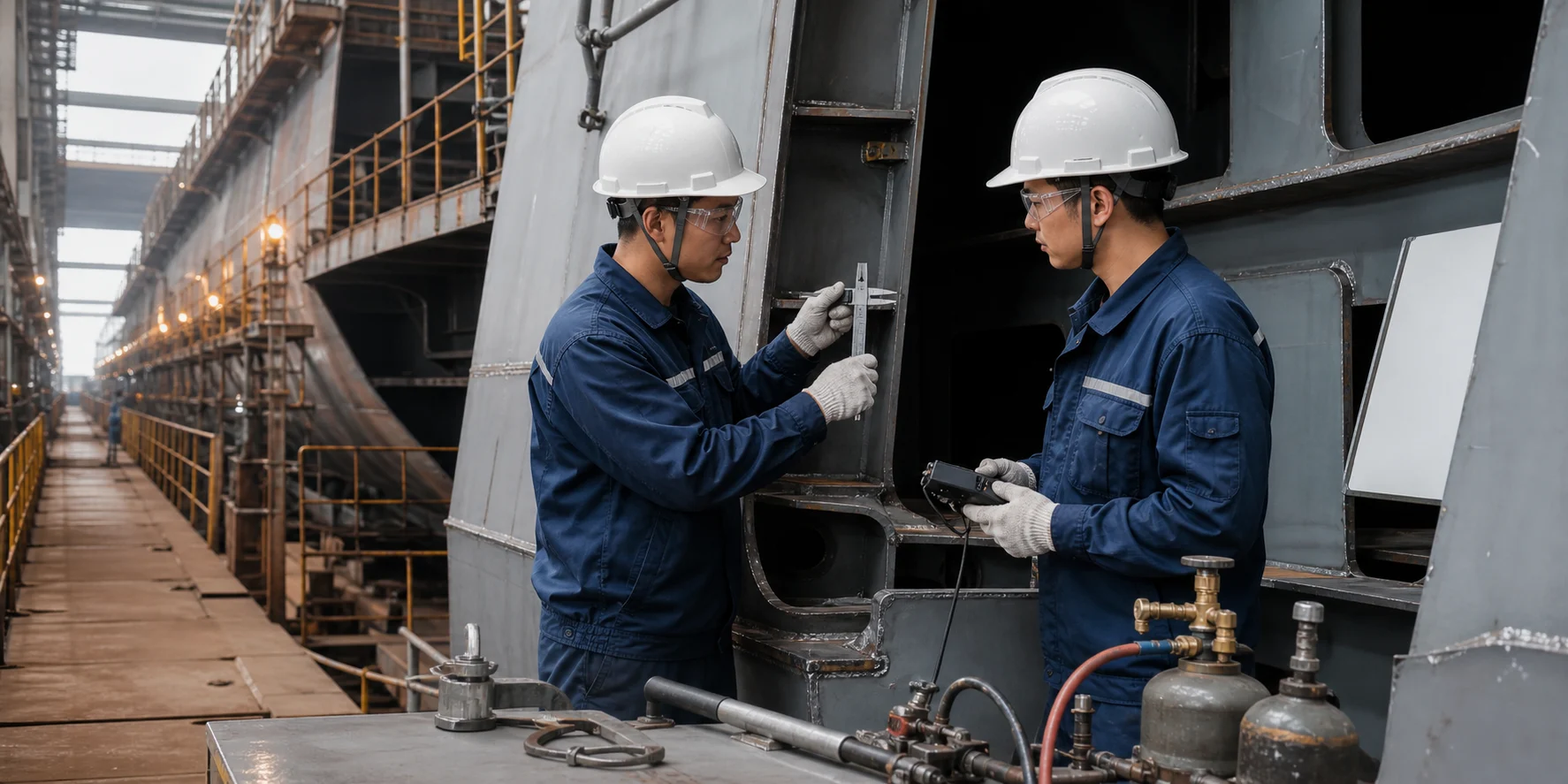
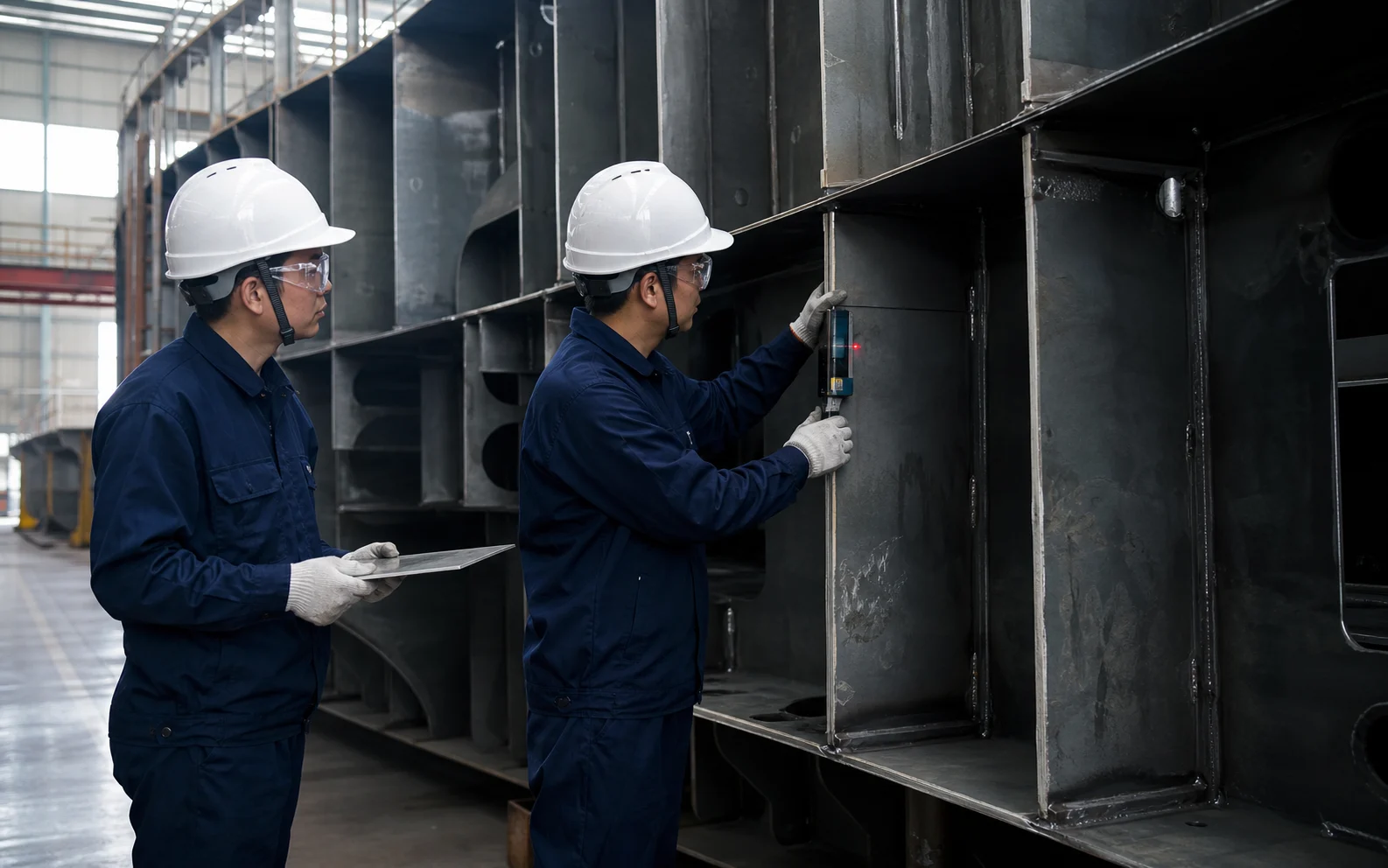
Material specification checks and dimensional control during cutting and assembly.
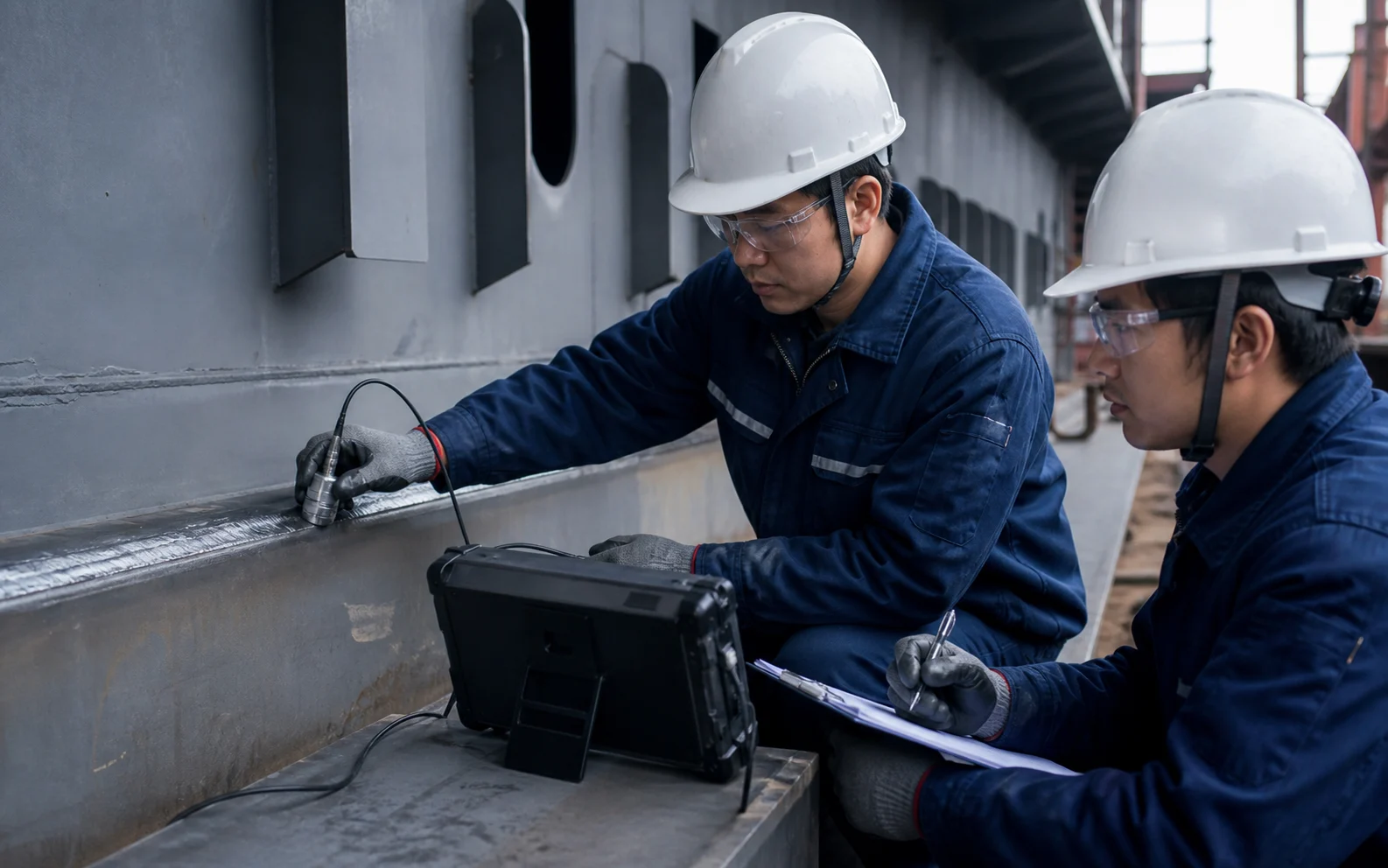
Welding consumable control, weld checks and project-required non-destructive testing.
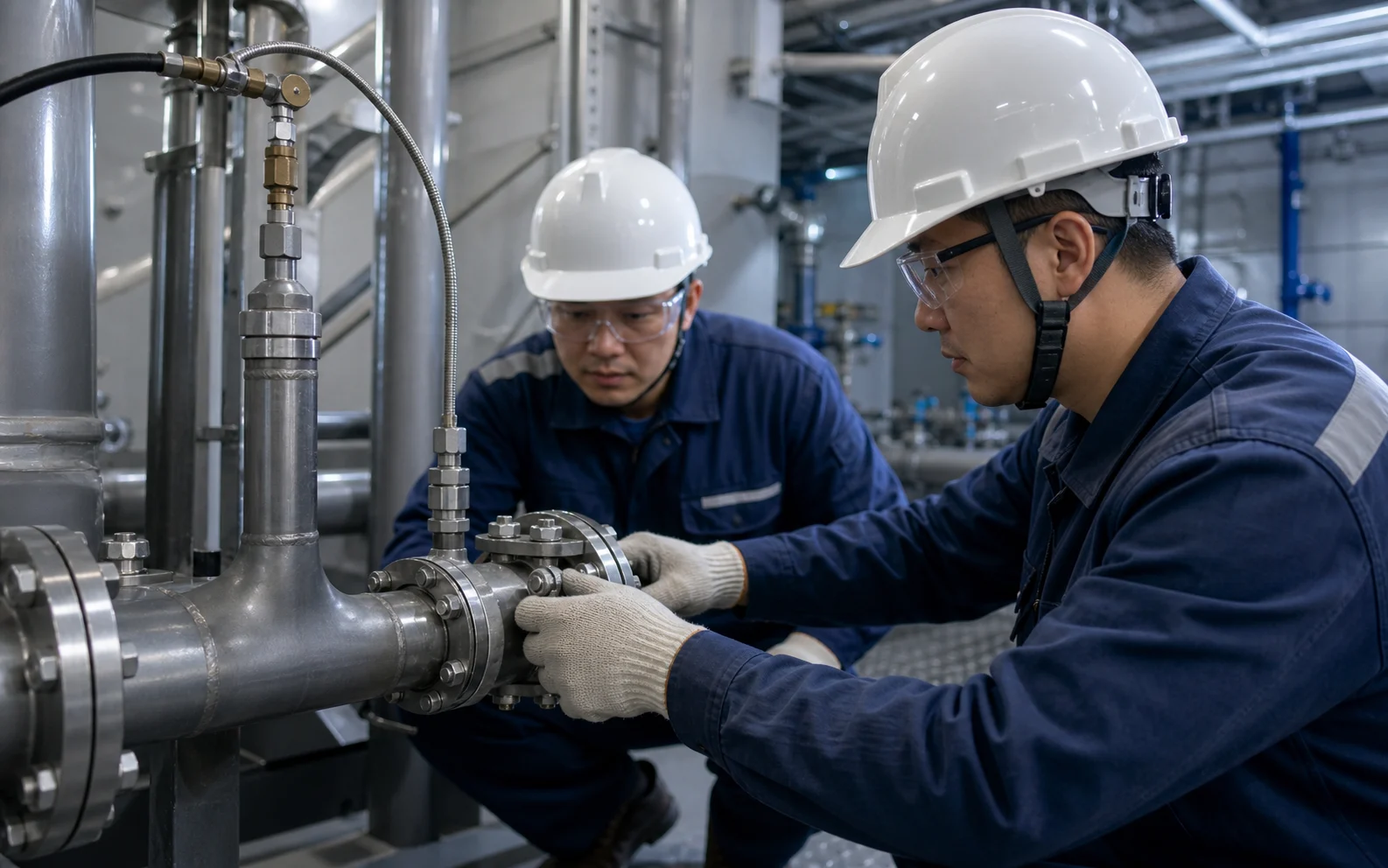
Water, air, hose or piping pressure tests as applicable to the area or system.
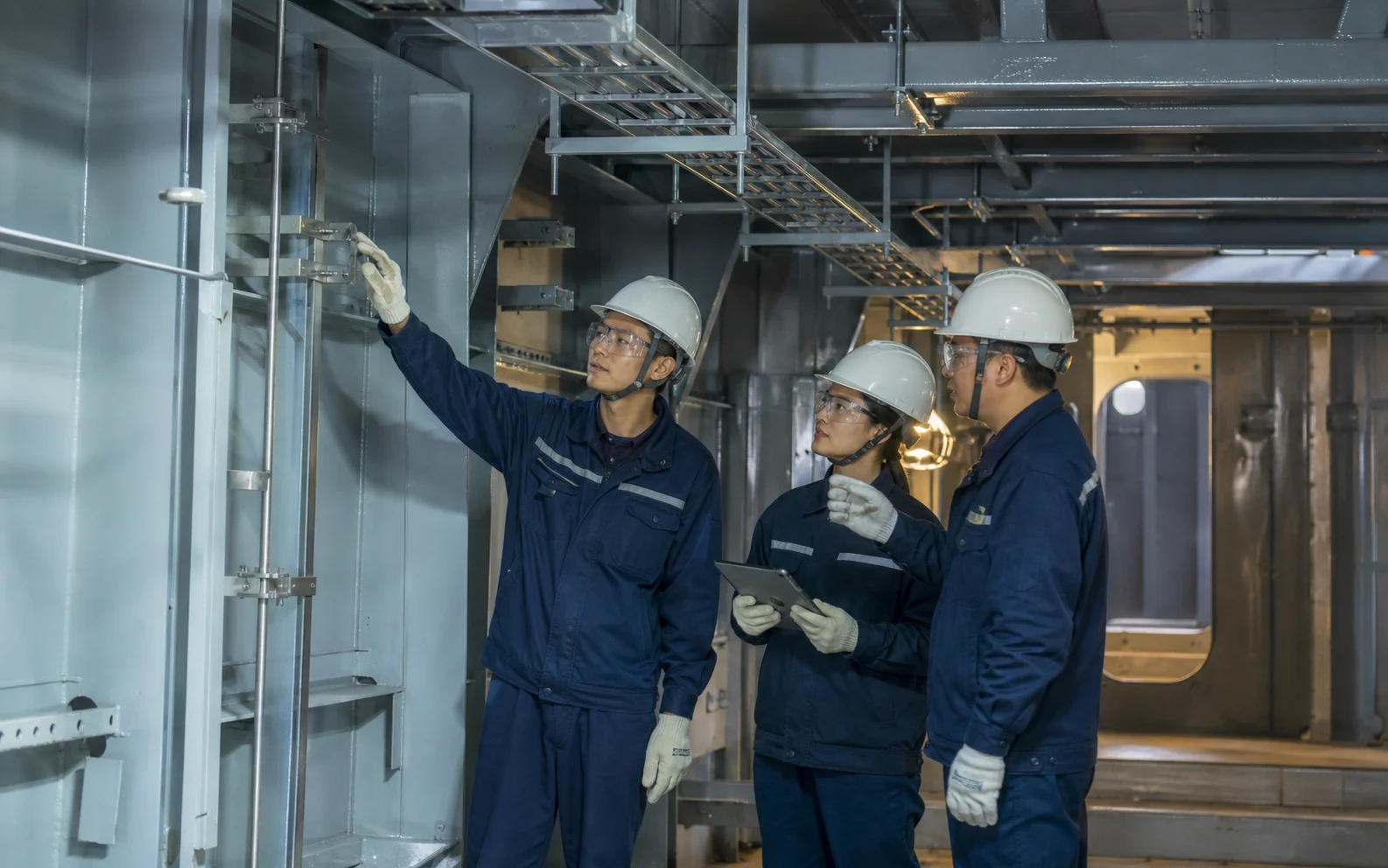
In-process quality checks and coordination with applicable vessel inspection and acceptance activities.

Support for compiling project completion and handover documentation.
BUYER'S GUIDE
Practical questions to clarify before selecting a builder, starting a custom project or planning long-term operation. Final requirements depend on the vessel, operating waters and local authorities.
Check five areas: whether the legal entity and certificates are current and verifiable; whether the production site and equipment can be inspected; whether the builder has relevant projects in a similar material, size and use; whether it can manage engineering, production, quality inspection, trials and delivery; and whether the contract clearly defines configuration, acceptance, change control, warranty and service. A complete, evidence-backed delivery plan matters more than a low quotation or attractive rendering alone.
Start with guest capacity, trip duration, operating waters and berthing conditions. Then review meeting and reception space, toilets and pantry, boarding circulation, open deck areas, HVAC, noise and vibration control, electrical power and connectivity, navigation and communications, lifesaving equipment and easy-clean materials. Propulsion should balance comfort, stability, fuel use, service cost and realistic operating speed rather than simply maximising power.
Requirements vary with the water body, route, passenger capacity and commercial model, so the applicable process should first be confirmed with the local transport, waterway-transport or maritime authority. A project will typically need design review and vessel inspection under the applicable rules, relevant safety and passenger certificates, and vessel ownership and nationality registration. Commercial passenger transport may also require a waterway transport business licence and a vessel operation certificate, together with qualified crew, safety management, emergency response, lifesaving and pollution-prevention arrangements. Local authority confirmation remains decisive.
Aluminium offers low weight, impact resistance and practical structural repair, which often suits high-use commercial craft, workboats, tour transfers and weight-sensitive projects. Welding quality, galvanic-corrosion protection, insulation and noise control are important. Fibreglass supports smooth finishes and flexible styling with good resistance to the marine environment, making it well suited to leisure yachts, business reception and series production of a proven design. Lamination, resin control, structural design, mould quality and repair access must be assessed. The right choice depends on use, waters, size, quantity, budget and maintenance capability.
A typical project moves from requirements-use, waters, capacity, size, layout, propulsion, budget and target delivery-to feasibility review, concept and general arrangement, quotation and contract, detailed engineering, applicable approval or inspection, procurement, hull construction, outfitting, commissioning, launch, trials, acceptance, handover and training. Each approval point should be recorded, and later changes should include their cost, schedule and technical impact.
Key factors include design maturity, customisation, hull material and complexity, lead times for engines and imported equipment, drawing approval and inspection progress, customer changes, payment and procurement milestones, yard workload, and the water level, weather and site conditions needed for launch and trials. A reliable schedule should be assessed after the technical scope and major equipment are defined, with milestones written into the contract.
Handover should include equipment lists, operation and maintenance manuals, recommended spares, completion records and user training. The contract should define warranty scope and term, response method, site-service conditions, and responsibility for travel and parts. Routine care should follow the service intervals for engines, generators, electrical and HVAC systems, lifesaving equipment, coatings and hull material, with maintenance records retained. Remote diagnosis, scheduled inspections, annual service and spare replenishment can then be arranged around operating intensity.
Projects can be supported with relevant RINA, EU CE, China Classification Society (CCS) and local ZC certification or inspection routes. The vessel, use, navigation area, contract and issuing authority determine the final route, certificate and scope.
EU CE recreational-craft design categories A, B, C and D correspond to ocean, offshore, inshore and sheltered waters, and RINA can perform relevant CE conformity assessment. CCS yacht design categories are determined under the applicable rules, including distance from shelter and design significant wave height. The applicable standard, plan approval and issuing authority determine each project category and operating limits.
For product selection, custom builds, business partnerships or after-sales service, please contact us.